
I’ve always been drawn to the quiet confidence of a woman who steps into a room in a head-to-toe look that says, “I’ve got this.” There’s something incredibly powerful about monochrome dressing—it’s not just a fashion choice, it’s a statement of control, intention, and understated glamour. Whether it’s a sleek black ensemble, a soft beige palette, or a rich navy layering, monochrome styling can transform even the simplest outfit into a fashion moment. In this guide, I’ll walk you through everything you need to know to master the art of monochrome dressing—from choosing the right shades to pairing textures and accessories that elevate your look. Let’s dive in.
What Is Monochrome Dressing?
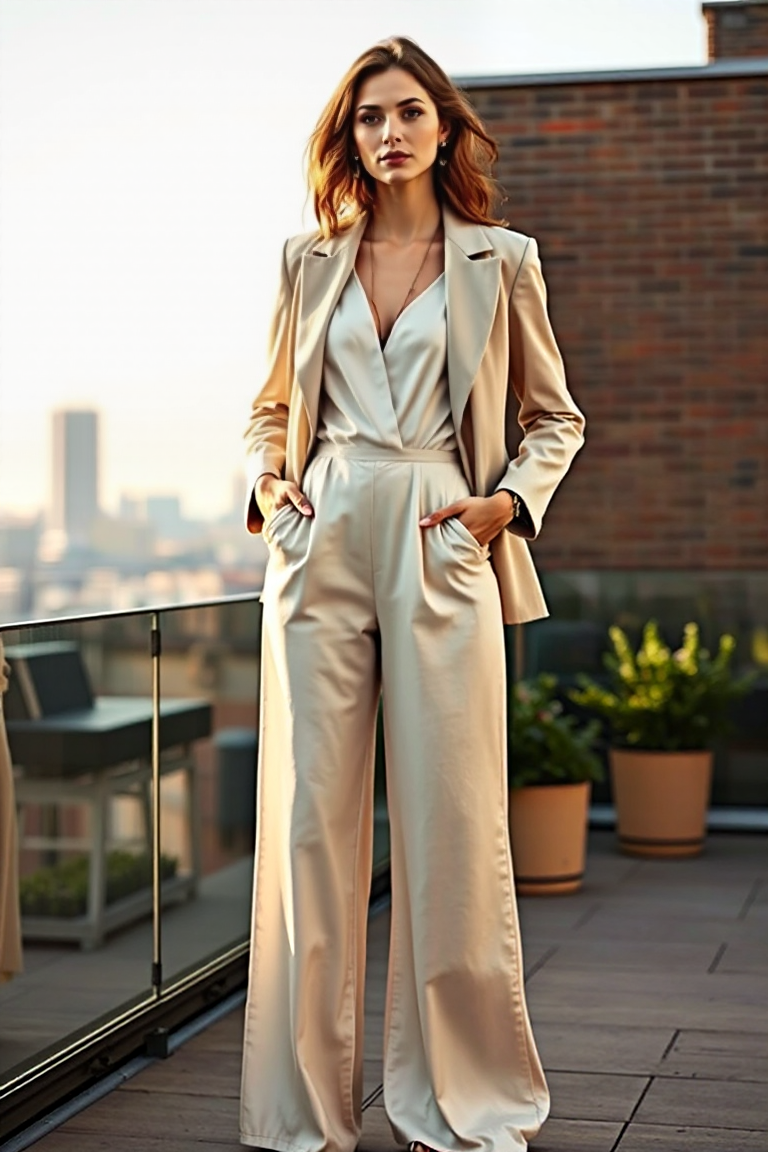
Monochrome dressing is a style approach where you wear a single colour from head to toe, creating a cohesive, elongated silhouette. It’s not just about wearing the same shade all over—it’s about embracing subtle variations in tone, shade, and texture to add depth without breaking the visual continuity. Think of it as fashion minimalism with maximum impact: when everything matches, your outfit appears as one polished piece rather than a collection of separate items. This style is especially flattering because it creates a streamlined look that can make you appear taller and more put-together, no matter your body shape. I’ve found that even on days when I’m short on time or inspiration, reaching for a monochrome outfit gives me instant confidence—it feels intentional and thoughtfully curated, even if I’ve just thrown on my favourite pieces.
Why Monochrome Dressing Works for Every Body Type
One of the biggest myths about monochrome dressing is that it’s only flattering for certain body types, but that’s simply not true. When you wear a single colour from head to toe, your silhouette becomes one continuous line, which naturally elongates the body and creates a leaner, more balanced appearance. This is especially helpful for those who want to minimise visual distractions or draw attention to certain features. For example, a soft grey or cream outfit can make the face stand out, while a darker shade like charcoal or deep burgundy can create a more dramatic, sophisticated effect. I’ve personally noticed that wearing a full navy outfit in the winter not only keeps me looking polished but also draws the eye upward, making my neck appear longer and my posture more upright. It’s a game-changer for anyone looking to feel taller, more elegant, or simply more cohesive in their style.
Choosing the Right Colour Palette
When it comes to monochrome dressing, the colour you choose sets the tone for the entire look. While black is a classic go-to for its versatility, don’t be afraid to explore other hues like cream, taupe, olive, or even deep burgundy. The key is to consider your skin tone, hair colour, and the season. For instance, warm-toned individuals often look radiant in earthy shades like camel or golden beige, while cool-toned people may glow in icy blues or soft greys. I’ve found that neutral colours like beige and taupe are incredibly forgiving and work year-round, especially in transitional seasons when you want to stay stylish without oversaturating your look. Even within a single shade, the way it’s worn can change—try a light cream in spring for a fresh, airy feel, or a deep charcoal in winter for a rich, layered effect. The beauty of monochrome is that it’s not one-size-fits-all; it’s about finding the shade that feels like *you*.
Playing with Texture in Monochrome Outfits
One of the easiest ways to keep monochrome dressing from feeling flat or one-dimensional is by playing with texture. A chunky knit sweater in the same shade as your tailored trousers, for example, adds visual interest without disrupting the colour harmony. Think about combining smooth silk with coarse linen, or soft velvet with crisp cotton. These textural contrasts create depth and sophistication, making your outfit feel more dynamic. I love pairing a ribbed cashmere sweater with leather boots in the same deep brown—while the colour remains consistent, the mix of materials gives the look richness and dimension. Even subtle shifts, like a matte fabric against a glossy finish, can make a world of difference. This technique is especially effective in colder months when layering becomes essential—your monochrome look can still feel intentional and refined, even with multiple layers.
Layering Monochrome for a Modern Look
Layering is where monochrome dressing truly shines. You can build a look from head to toe by adding garments in the same shade but different weights and textures. For example, start with a lightweight t-shirt, layer a long-sleeve cardigan, then top it off with a tailored blazer—all in the same colour family. This creates a seamless transition that feels intentional and modern. I often wear a long-sleeve silk camisole under a matching wrap dress in a soft taupe, then finish the look with a blazer in a slightly deeper shade of the same hue. The result is a look that’s polished, versatile, and perfect for transitioning from day to evening. The key is to keep the colours within the same palette—avoiding stark contrasts between layers that break the visual flow. This method allows you to stay warm and stylish without sacrificing elegance.
Accessorising Monochrome Outfits Without Breaking the Look
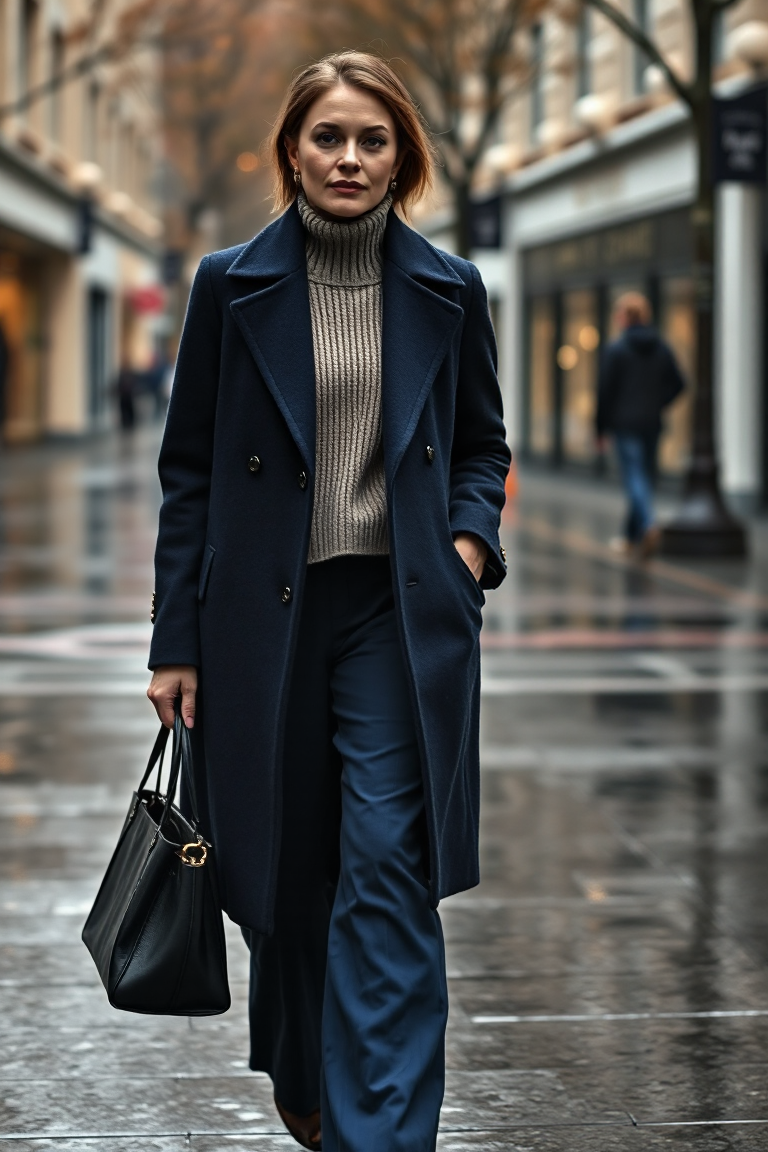
Accessories can make or break a monochrome outfit, but the trick is to keep them subtle. Instead of going for bold statement pieces in contrasting colours, opt for accessories in the same shade or in complementary neutrals like metallic gold, silver, or black. A sleek leather belt in matching brown, for example, can define your waist without drawing attention away from the overall flow of your outfit. I’ve also found that sheer tights or socks in a matching shade can create a seamless continuation from top to bottom, especially in cooler months. And don’t forget footwear—wearing shoes in a tone that matches or complements your outfit keeps the look cohesive. A pair of black loafers with a black suit, for instance, make the legs appear longer and the outfit more streamlined. The goal is to enhance, not overpower—the right accessories should feel like a natural extension of your look.
Monochrome Dressing for Work and Professional Settings
Monochrome dressing is a professional’s best friend. In the workplace, it conveys confidence, discipline, and attention to detail—qualities that are often appreciated by colleagues and clients alike. A tailored blazer, straight-leg trousers, and a silk blouse in the same shade create a look that’s both polished and powerfully understated. I’ve worn this exact combination in boardrooms and client meetings, and the feedback has always been positive—people remember the outfit, but they remember me as the composed, capable professional. To keep it fresh, I’ll mix in a different texture, like a silk blouse against a wool blazer, or wear a slightly looser cut to add comfort without sacrificing elegance. The beauty of monochrome at work is that it allows you to look sharp every day without needing to overthink your outfit—just pick your base shade and go.
How to Make Monochrome Dressing Work for Evening Events
Monochrome doesn’t have to be reserved for daytime or workwear—its elegance makes it perfect for evening events. In fact, wearing a full-length gown or suit in one colour can create a breathtaking, almost architectural effect that commands attention without being loud. I once wore a deep emerald green jumpsuit with a matching clutch and heels to a winter gala, and the result was stunning—people commented on how “unified” and “intentional” the look felt. To add glamour, choose fabrics with sheen like satin, silk, or velvet, and consider incorporating metallic accents in your accessories. A black tulle skirt with a silk top in the same shade, for example, looks effortlessly chic. The key is to balance drama with simplicity—let the colour and fabric do the talking, and keep your jewellery minimal but refined. It’s a look that’s both bold and restrained, ideal for any formal occasion.
Monochrome Dressing for Travel and On-the-Go Style
When you’re on the move, monochrome dressing is a traveller’s dream. It reduces decision fatigue—just grab one colour scheme and you’re set. Plus, it makes packing easier since every piece can be mixed and matched without worrying about clashing. I’ve packed entire trips in just two or three monochrome outfits, switching between a cream separates set and a navy knitwear look, and it’s saved me so much time and stress. Not only does it make travel more efficient, but it also helps you stand out in a sea of mismatched travellers—your cohesive look makes you feel more pulled together, even after a long flight. To keep things interesting, I’ll vary the textures and silhouettes—like pairing a soft knit cardigan with wide-leg trousers or a flowy linen dress with a structured jacket. The result is a travel wardrobe that’s both functional and stylish.
Using Monochrome to Create a Signature Style
Over time, monochrome dressing can become your signature style—a consistent look that people associate with you. I’ve noticed that when I wear a particular shade, like a soft dove grey or a rich camel, people often remember me for it. This consistency builds recognition and confidence—it’s like a personal brand in fashion. The key is to find colours that truly resonate with your personality and lifestyle. If you’re drawn to calm, timeless aesthetics, neutral tones like beige and oatmeal might suit you. If you lean toward drama and boldness, deep navy or even burgundy could be your calling. Once you’ve chosen your go-to palette, experiment with different silhouettes and textures to keep the look fresh. The result is a wardrobe that feels personal, intentional, and uniquely yours.
Common Mistakes to Avoid in Monochrome Dressing
While monochrome dressing is incredibly effective, it’s easy to make some common mistakes. One of the biggest is wearing shades that don’t complement your skin tone—this can make you look washed out or muddy. Another is failing to vary textures, which can result in a flat, dull look. I’ve made the mistake of wearing all cotton in the same shade, and it ended up looking like I was just wearing a hospital gown! Also, don’t be afraid to mix shades within the same colour family—wearing a light grey with a charcoal blazer can still be monochrome and still look great. Avoid over-accessorising too, as too many pieces in different materials can disrupt the clean lines. The goal is cohesion, not clutter. And finally, remember that monochrome doesn’t mean one colour only—your outfit can still be dynamic and interesting if you play with tone and texture within the same palette.

Frequently Asked Questions
Can I wear different shades of the same colour in monochrome dressing?
Yes, absolutely. Monochrome dressing is about colour harmony, not uniformity. You can wear lighter and darker shades of the same colour—like ivory, cream, and beige—or varying tones within a colour family, such as light grey, mid-grey, and charcoal. The key is that the shades work together to create a cohesive look without creating visual distractions.
Is monochrome dressing suitable for summer?
Definitely. Monochrome looks are perfect for summer when you want to stay cool and stylish. Lighter shades like pale blue, soft beige, or white are ideal for reflecting sunlight and keeping you comfortable. Pairing a sheer linen top with matching wide-leg trousers in the same hue creates a fresh, elevated look that’s perfect for daytime events or beachside dinners.
How can I make a monochrome outfit stand out?
By focusing on texture, fabric quality, and fit. A well-tailored silk jumpsuit in a soft taupe, for example, looks far more luxurious than a loose cotton outfit in the same shade. Adding subtle details like a draped neckline, a pleated skirt, or a structured blazer can also elevate the look. And don’t forget the power of footwear—statement heels in a matching shade or a metallic accent can add a touch of glamour without breaking the monochrome rule.