
There’s something deeply satisfying about stepping into your workplace knowing you look polished, put-together, and completely in control. I’ve spent years experimenting with different workwear styles, trying everything from overly structured suits to smart-casual blends that somehow feel like second skin. The truth is, finding your signature office look isn’t about following trends—it’s about curating a wardrobe that reflects who you are, while still respecting the expectations of your environment. Whether you’re in a creative agency or a boardroom, your outfit should make you feel powerful, not just present. In this guide, I’ll walk you through how to craft an iconic office outfit that’s both timeless and personal, with practical tips that actually work in real life.
Start with a Foundation of Timeless Pieces
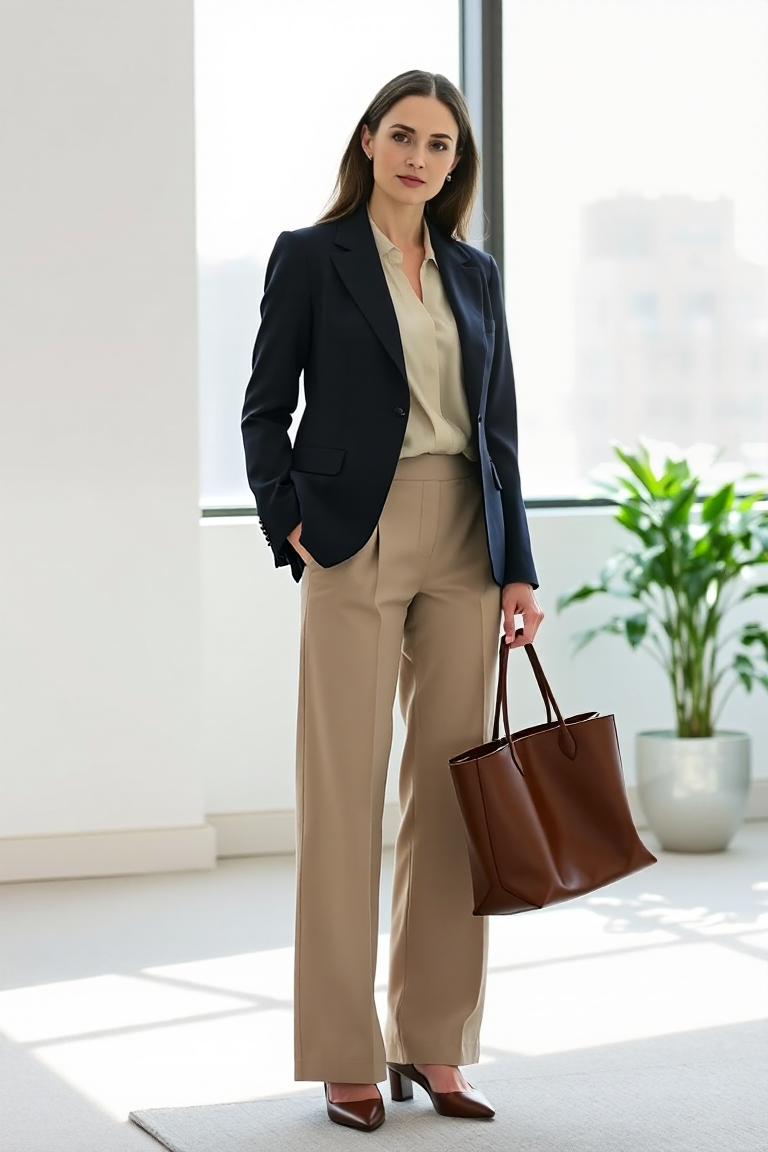
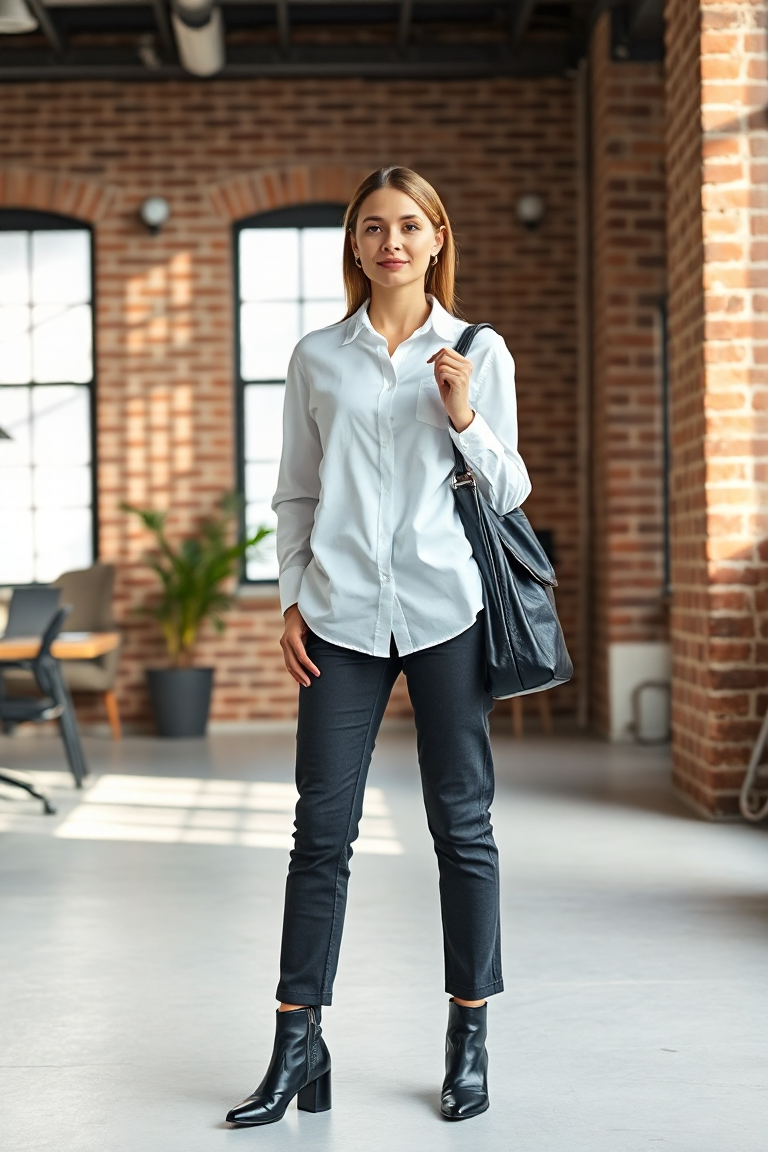
When building your workwear wardrobe, always begin with pieces that will stand the test of time. These aren’t just clothes—they’re investments in how you show up every day. A well-tailored blazer in a neutral shade like charcoal, navy, or beige is non-negotiable; it instantly elevates any outfit and pairs effortlessly with trousers, skirts, or even a simple dress. I’ve worn the same blazer for over five years, and it still looks sharp. Similarly, a crisp white button-down shirt is a staple that can be dressed up with a pencil skirt or kept casual with rolled sleeves and jeans. These core items are the building blocks of your entire workwear style. Think about the kinds of outfits you’ll wear most often—formal meetings, client presentations, or casual Fridays—and choose foundational pieces that support those moments. You don’t need a closet full of clothes; you just need the right ones.
Invest in Quality Fabrics That Feel Good
It’s tempting to skimp on fabric when you’re building your wardrobe, but trust me, quality makes a world of difference. You want your clothes to move with you, to breathe, and to maintain their shape after multiple wears. Look for natural fibres like cotton, wool, and silk—they’re breathable, durable, and have a luxurious drape that instantly elevates your look. For example, a wool crepe blazer feels rich against the skin and resists wrinkles far better than synthetic blends. Similarly, a cotton poplin shirt will stay crisp all day, even when you’re rushing between meetings. Avoid anything that pills, stretches out, or looks cheap under office lighting. I’ve learned the hard way that a £50 jacket that lasts five years is far more cost-effective than a £150 one that falls apart after six months. Quality fabric also makes your outfit feel more intentional, and you’ll find yourself reaching for it again and again.
Master the Art of Layering for Versatility
Layering is your secret weapon for creating endless workwear outfits from a small number of pieces. A lightweight turtleneck, for instance, can be worn under a blazer in winter and layered under a cardigan in spring. It’s the kind of piece that can transition seamlessly from morning meetings to evening client dinners. I love a fine-knit cashmere jumper in a soft cream or oatmeal shade—it looks elevated with a tailored skirt or even paired with dark trousers. Another game-changer is a lightweight trench coat; it adds structure and polish to an outfit without making you overheat in the office. Think about how you can layer pieces to adapt to different temperatures and occasions. You can wear a sleek camisole under a blazer in summer, or a silk slip dress with a structured cardigan in winter. The key is to choose layers that are soft, form-fitting, and easy to move in.
Choose the Right Bottoms for Your Body and Role
When it comes to workwear bottoms, it’s all about balance—between professionalism and comfort, and between flattering fit and practicality. Pencil skirts are a classic for a reason; they create a polished silhouette and work well with structured tops and blazers. But if you’re on your feet all day, you might prefer tailored trousers that offer room to move without sacrificing a sharp look. I’ve found that straight-leg or wide-leg trousers in a mid-weight wool blend are incredibly versatile—they don’t wrinkle easily and look just as sharp with a blouse as they do with a sweater. If you’re in a creative or relaxed workplace, tailored jeans in a dark wash can be a stylish alternative to formal trousers. The goal is to wear bottoms that complement your body shape and feel comfortable enough for long hours. Try different styles to see what enhances your natural silhouette and gives you confidence.
Make Your Shoes a Statement, Not a Hassle
Shoes can make or break a workwear outfit, so choose wisely. You want a pair that’s both professional and comfortable—because nobody wants to spend the day wincing in pain. I’ve found that ankle boots with a low block heel are a perfect compromise; they look elegant and provide just enough support for long commutes and office hours. For formal settings, pointed-toe pumps in black or nude are timeless and elongate the leg. But if you’re in a more modern office, sleek loafers or minimalist flats can be a stylish alternative. The key is to invest in quality footwear that’s well-constructed and can handle daily wear. Avoid anything that squeaks, creases, or starts to fall apart after a few months. A good pair of shoes can last years, so pick ones that reflect your personal style and make you feel grounded—literally and figuratively.
Accessorise with Purpose, Not Just Trends
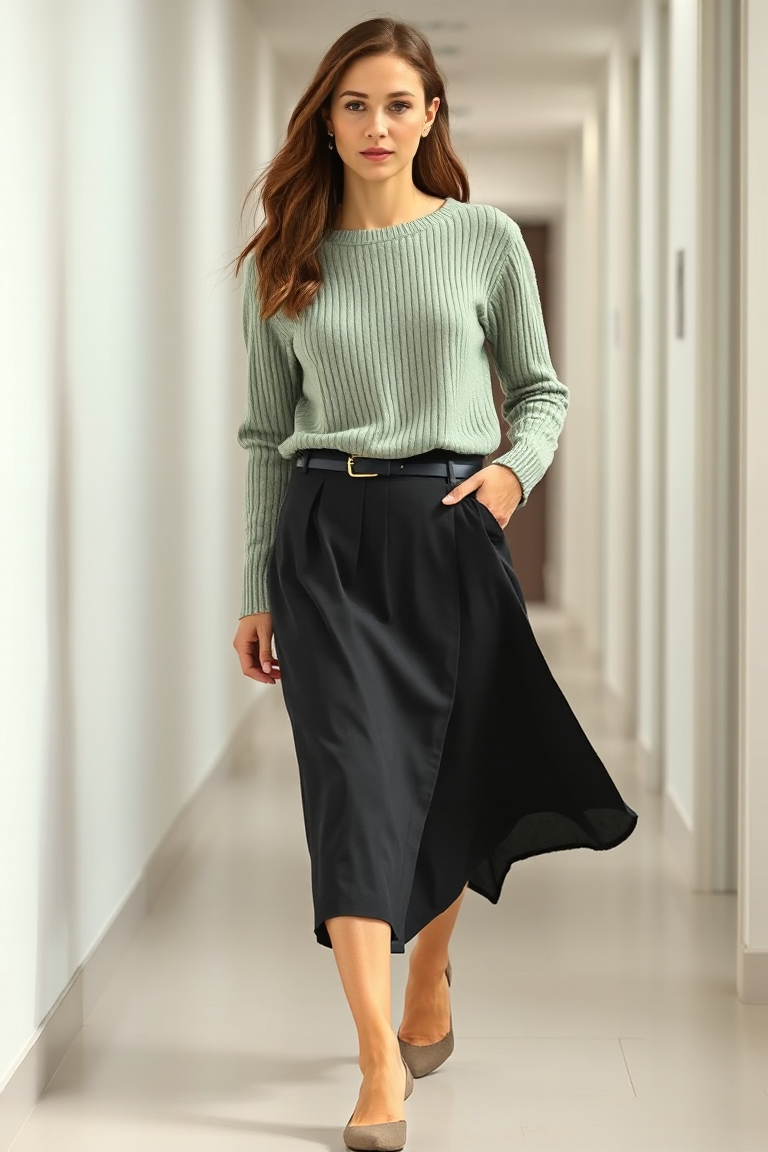
Accessories are where your personal style really shines. A statement necklace, a structured handbag, or a pair of minimalist earrings can transform a basic outfit into something memorable. But it’s important not to overdo it—workwear should feel curated, not cluttered. I like to keep accessories simple and intentional: a leather belt in a neutral shade to define the waist, a silk scarf to add a touch of colour, or a pair of stud earrings that make a subtle statement. A well-chosen bag is essential—it should be spacious enough for your laptop and documents, but not so bulky it looks like you’re heading to a business trip. I’ve found that a tote with a structured shape and a long strap is ideal for daily use. The goal is to add elements that enhance your outfit without overwhelming it. Less is often more when it comes to office accessories.
Play with Colour and Texture for Depth
Even in a professional setting, there’s room to express your personality through colour and texture. A bold red blouse paired with neutral trousers creates a dynamic contrast that immediately draws attention. Or try a textured wool-blend sweater in a soft mauve or sage green—it adds visual interest without being too loud. I love experimenting with tonal layering, like pairing a cream blouse with a beige blazer and a taupe skirt. This creates depth and dimension while maintaining a cohesive look. Don’t be afraid to introduce one or two pops of colour in your accessories, such as a deep burgundy scarf or a cobalt-blue clutch. The key is to balance boldness with professionalism. You want your outfit to feel intentional, not like you’ve just thrown a box of crayons together. Try mixing textures—like silk with wool, or cotton with leather—to add richness to your look.
Adapt Your Look for Different Work Environments
Not all offices are the same, and your workwear should reflect that. In a conservative corporate environment, you’ll want to lean into classic tailoring and neutral tones—think structured blazers, knee-length skirts, and closed-toe shoes. But in a creative or tech-driven workplace, you can introduce more personal flair: a patterned blouse, a midi skirt with a bold print, or a chunky knit cardigan. I’ve worked in both settings and found that adapting your style helps you feel more authentic and confident. For hybrid roles—where you’re in the office one day and on a video call the next—opt for smart-casual pieces that transition well. A tailored blazer over a silk camisole, for instance, works for in-person meetings and virtual presentations alike. The trick is to understand your workplace culture and adjust accordingly, without compromising your personal style.
Embrace the Power of a Well-Fitted Outfit
Fitting is everything in workwear. An ill-fitting blazer can make you look sloppy, while a perfectly tailored one makes you feel like you could walk into any boardroom. I’ve learned that getting clothes tailored—even just a few minor adjustments—can transform an average outfit into something extraordinary. Take the time to have key pieces altered: shorten your trousers, take in your blazer at the waist, or hem your skirt so it hits at the right length. Even small changes can make a huge difference in how you feel and how others perceive you. You don’t need to be a fashion expert to know what fits—you just need to pay attention to how clothes drape on your body. A well-fitted outfit isn’t just about looking good—it’s about feeling comfortable, confident, and in control.
Build a Capsule Wardrobe for Effortless Style
One of the most effective ways to simplify your workwear routine is to build a capsule wardrobe. This means selecting a small collection of versatile pieces—say, 15–20 items—that can be mixed and matched in endless combinations. Think of it as a curated toolkit for your office life. I’ve built mine around a few key items: a blazer, a silk blouse, a pair of trousers, a midi dress, a cardigan, and a leather bag. From these, I can create dozens of outfits without needing to buy anything new. The beauty of a capsule wardrobe is that it reduces decision fatigue and helps you focus on how you want to feel, rather than what to wear. It also makes it easier to stay consistent with your personal style. When you’re choosing between pieces, you’re not just picking clothes—you’re reinforcing your identity and confidence.
Develop Your Signature Style
Ultimately, your workwear style should feel authentic and uniquely yours. It’s not about mimicking what’s trending or what you think others expect—it’s about discovering what makes you feel most like yourself. Maybe it’s your love of clean lines, or your devotion to soft, earthy tones. Or perhaps you’ve got a favourite pattern, like a subtle houndstooth or a geometric print. The goal is to build a style that’s both professional and personal. I’ve found that the more consistent I am with my aesthetic, the more people remember me—and not just for my outfit, but for who I am. This isn’t about fashion for fashion’s sake—it’s about using your clothes to express your confidence, your creativity, and your professionalism. When your style is aligned with your identity, it becomes a powerful tool in your daily life.
Frequently Asked Questions
How do I dress professionally without looking too formal?
Focus on well-fitted, tailored pieces with a modern twist—like a structured blazer with tailored trousers or a midi dress with a sleek belt. Choose fabrics that are polished but not stiff, and avoid overly rigid silhouettes. Add subtle details like a silk scarf or a pair of elegant loafers to elevate the look without going overboard.
What’s the best way to style a work outfit for a virtual meeting?
Opt for pieces that look sharp on camera—like a crisp blouse or a structured cardigan—and ensure your upper body is well-lit and visible. A blazer or tailored jacket adds structure and professionalism, even if you’re not wearing trousers. Keep your background clean and neutral, and make sure your outfit looks intentional from the shoulders up.
How can I make my workwear look more modern and less outdated?
Introduce contemporary elements like relaxed tailoring, bold colours, or unique textures. Swap out traditional pencil skirts for wide-leg trousers or a midi dress. Choose modern silhouettes and avoid overly structured or stiff fabrics. The key is to update your basics with fresh details that reflect current trends without sacrificing professionalism.