
I’ve always loved the in-between seasons—those days when the sun peeks through after a cool morning, or when the air feels crisp but the sky is bright and blue. But let’s be honest: transitional weather is the ultimate fashion challenge. One minute you’re in a light jacket, the next you’re zipping up a coat because a sudden breeze has you shivering. It’s not just about looking good—it’s about staying comfortable while navigating the fickle moods of spring and autumn. Over the years, I’ve learned that the key isn’t one magical outfit, but a smart mix of layering, thoughtful fabric choices, and knowing how to adapt your look to the day’s shifts in temperature. In this guide, I’ll share my personal go-to strategies for dressing well during those unpredictable moments when you need to be prepared for anything.
Understand the Nature of Transitional Weather
Transitional weather—common in spring and autumn—refers to those days when temperatures fluctuate dramatically, and conditions shift from sunny to rainy to cool in a matter of hours. I’ve found that the best way to navigate these changes is to accept that you’re not dressing for one temperature, but for a range. It’s not about choosing a single outfit; it’s about building a flexible wardrobe that adapts as the day progresses. You might start your day with a light jacket and a t-shirt, but by the afternoon, you could be adding a sweater or even a trench coat. Understanding this fluidity means you can avoid overdressing or underdressing—two common fashion faux pas. I’ve learned to pack a small, lightweight cardigan in my bag or keep a jacket in my car, because the weather can change faster than you think. This approach also reduces the need to re-heat a house or over-cool a car, making your day both more comfortable and more sustainable.
Layering Is Your Best Friend
Layering isn’t just a fashion trend—it’s a practical solution for unpredictable weather. I’ve learned that the magic happens when you combine lightweight, breathable fabrics with a few versatile outer layers. Start with a base layer like a slim-fit cotton tee or a soft cashmere blend, then add a mid-layer such as a lightweight sweater or a fine-knit cardigan. The key is to choose pieces that aren’t bulky but still offer warmth when you need it. I love pairing a long-sleeved shirt with a light trench or a denim jacket—this way, I can easily shed the outer layer if it warms up. The real trick is ensuring each layer can be removed or added without disrupting the overall look. For instance, a well-fitted blazer can serve as a stylish outer layer in the morning, but you can take it off when the sun comes out. Layering lets you stay warm without looking like you’re wearing a sleeping bag.
Choose the Right Fabrics
Choosing the right fabrics makes a world of difference in transitional weather. I’ve found that natural fibres like wool, cotton, and linen breathe well and adapt to temperature changes, while synthetic blends can trap heat or feel clammy. For example, a merino wool base layer keeps you warm without bulk, and a cotton chambray shirt offers comfort and breathability. I also love lightweight wool-blend knits—they’re soft, warm, and don’t cling when you sweat. When it comes to outerwear, I look for breathable yet wind-resistant fabrics like cotton twill or lightly insulated nylon. These materials protect you from sudden gusts without making you feel hot and sticky. I’ve learned to avoid heavy polyester or nylon in the middle of the day, as they can make you feel like a human oven if the sun comes out. Instead, I opt for fabrics that move with the weather, not against it.
Invest in a Versatile Coat or Jacket
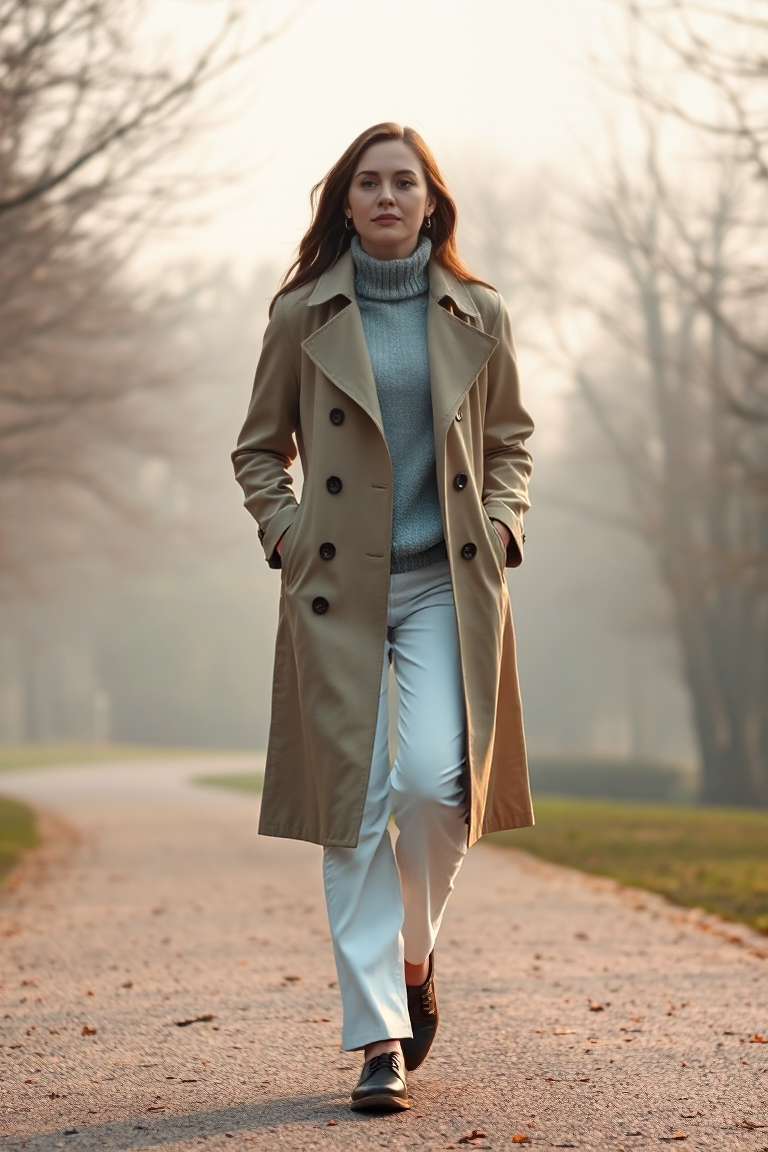
A good transitional jacket or coat can be your wardrobe’s MVP. I’ve found that a well-cut trench coat, a lightweight belted coat, or a tailored blazer-style jacket works beautifully across seasons. The key is to look for pieces that are neither too heavy nor too flimsy—something that keeps you warm but still allows for movement. I’ve invested in a longline wool blend coat that’s perfect for cooler mornings but can be worn open over a sweater when the sun comes out. Another favourite is a quilted, water-resistant jacket—it’s light enough for layering yet provides protection from sudden drizzles. I make sure the fit is slightly loose so I can wear a sweater underneath without feeling restricted. These pieces are so versatile that I can wear them from early spring into early autumn without needing to switch my entire outfit.
Opt for Neutral Colours and Timeless Styles
When dressing for transitional weather, I always lean toward neutral colours and classic silhouettes. This isn’t just about fashion—it’s about creating a wardrobe that works together. I stock up on shades like beige, taupe, charcoal, navy, and soft grey because they mix and match effortlessly. These colours look polished in the morning and still feel modern by afternoon. I also choose timeless styles like a classic shirt dress, a straight-leg trousers, or a tailored skirt—all of which can be layered and dressed up or down depending on the weather. I’ve found that when you build your capsule around neutrals and simple cuts, you can swap out layers without needing a new outfit. This approach reduces decision fatigue and makes getting dressed a breeze, especially on those unpredictable mornings when you’re rushing out the door.
Don’t Forget Accessories
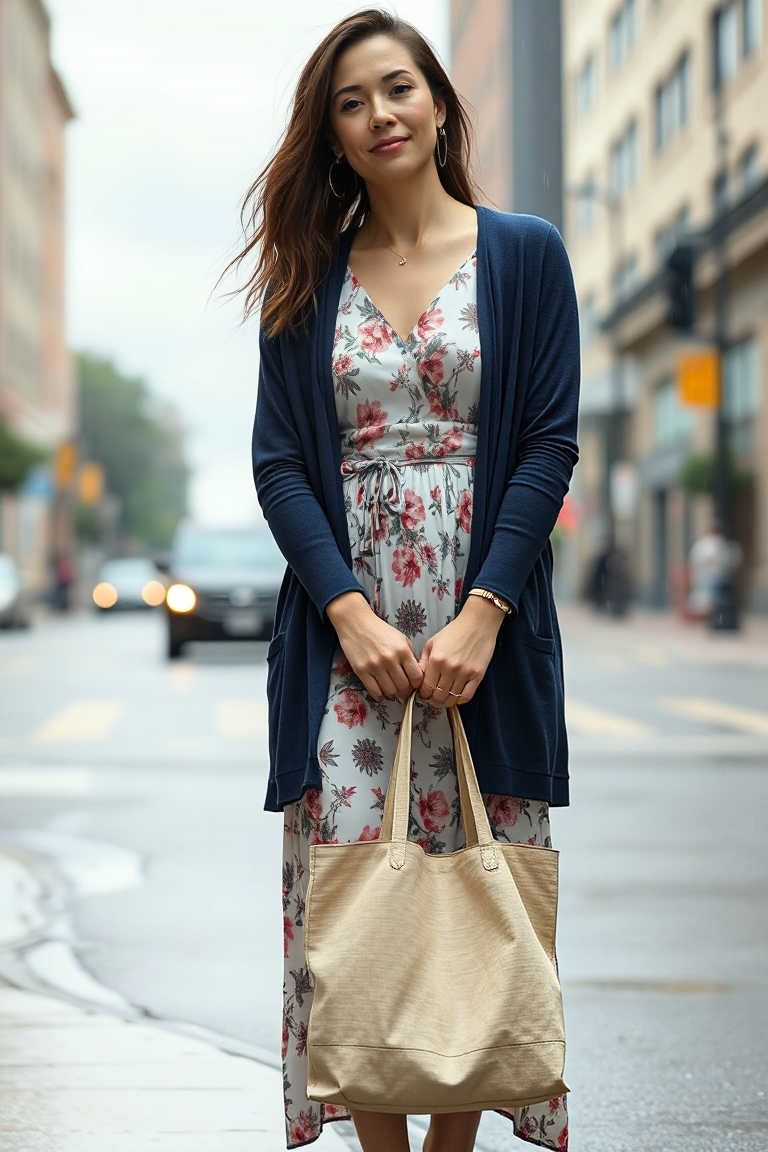
Accessories are the unsung heroes of transitional dressing. I’ve learned to use them strategically to adjust my look without changing my entire outfit. A light scarf, for example, can be tied around your neck for warmth or draped over your shoulders as a stylish cover-up. I also love wide-brimmed hats and lightweight sun hats—they add a touch of elegance while protecting me from sudden sun or wind. A crossbody bag with a detachable strap is another must-have; I use it to carry a sweater or a light jacket when needed. And don’t underestimate the power of a good pair of boots—whether it’s a sleek leather pair or a chunky suede boot, they keep your feet warm and elevate your look. I’ve found that a few well-chosen accessories can transform a basic outfit into something polished and weather-ready in seconds.
Plan Your Outfits the Night Before
One of my best habits for dealing with unpredictable weather is to plan my outfit the night before. I check the forecast—just to get a general idea—and then I lay out my base layers, mid-layers, and outerwear. I’ve found that this small act of preparation saves me so much time and stress in the morning. I also keep a go-bag with a spare sweater or jacket in my car or office, just in case the temperature drops. I’ve learned to think in terms of “systems” rather than individual pieces—what layers work together, what accessories go with what, and how I can transition from day to evening. This way, I’m not scrambling for a sweater when the wind picks up. It’s all about being ready, not reactive.
Consider Weather-Resistant Outerwear
Even in transitional weather, sudden downpours or gusts of wind can happen, so I always make sure to have weather-resistant outerwear on hand. I’ve found that a lightweight, water-repellent jacket—something that’s not bulky but still shields you from drizzle—is essential. I prefer jackets with a removable hood or one that tucks neatly into the collar so it doesn’t bulk up the look. I’ve also started investing in trench coats with water-resistant finishes, especially for spring and autumn. These garments keep you dry without making you feel like you’re wearing a raincoat. I’ve learned that it’s not about avoiding the rain altogether, but about staying dry and stylish enough to not feel miserable when the weather turns. A simple raincoat or water-resistant jacket can be the difference between a good day and a bad one.
Think About Footwear
Footwear is often overlooked in transitional weather, but it plays a crucial role in your overall comfort. I’ve found that choosing shoes that are both stylish and practical makes a huge difference. For example, leather ankle boots are perfect for cooler mornings but can be worn with jeans or a skirt in the afternoon. I also love waterproof walking shoes—lightweight, breathable, and great for unpredictable wet days. I avoid overly thick boots in the spring, as they can make me feel too hot, but I do keep a pair of suede or leather boots in my closet for the occasional cool snap. I’ve learned to match my footwear to the day’s expected conditions, but I also carry a pair of flats or loafers in my bag in case I need to switch for comfort. Your feet are the foundation of your outfit—make sure they’re as adaptable as the rest of your look.
Adapt Your Wardrobe for Your Climate
Not all transitional weather is the same, and your wardrobe should reflect your local climate. I live in a place where spring mornings can be frosty but afternoons are warm and sunny, so I focus on breathable layers and lightweight outerwear. If you’re in a region with more humidity or frequent light rain, you might want to invest in moisture-wicking fabrics and rain-resistant pieces. I’ve found that understanding your area’s weather patterns helps you make smarter choices—like adding a lightweight trench for damp days or a windbreaker for blustery ones. I’ve learned to avoid one-size-fits-all solutions and instead curate a collection that works with your specific climate. This way, you’re not just dressing for the forecast—you’re dressing for your reality.
Embrace the Art of the Half-Buttoned Shirt
One of my favourite transitional looks is the half-buttoned shirt. It’s simple, stylish, and incredibly practical. I wear a lightweight cotton or linen shirt, leave the top few buttons undone, and layer a sweater or cardigan underneath. This creates a relaxed, effortless look that works for both work and casual outings. I’ve found that it also helps regulate body temperature—when it gets warmer, I can unbutton it further or take off the layer, and when it cools down, I can add a scarf or jacket. This look is especially great for office settings where you need to look polished but still stay comfortable. I’ve even styled it with a blazer for a smart-casual look—perfect for a mid-day meeting after a chilly morning.
Frequently Asked Questions
How do I stay warm without looking bulky?
Layer lightweight, breathable fabrics like merino wool, cotton, or fine-knit blends. Choose fitted layers and a tailored outerwear piece that doesn’t add bulk. A well-fitted cardigan or blazer can add warmth while still looking sleek.
What’s the best way to pack for unpredictable weather?
Take a small, lightweight jacket or sweater in your bag. Choose versatile pieces that can be layered or removed. Pack a scarf, a pair of gloves, and a foldable raincoat for unexpected changes.
Can I wear skirts in transitional weather?
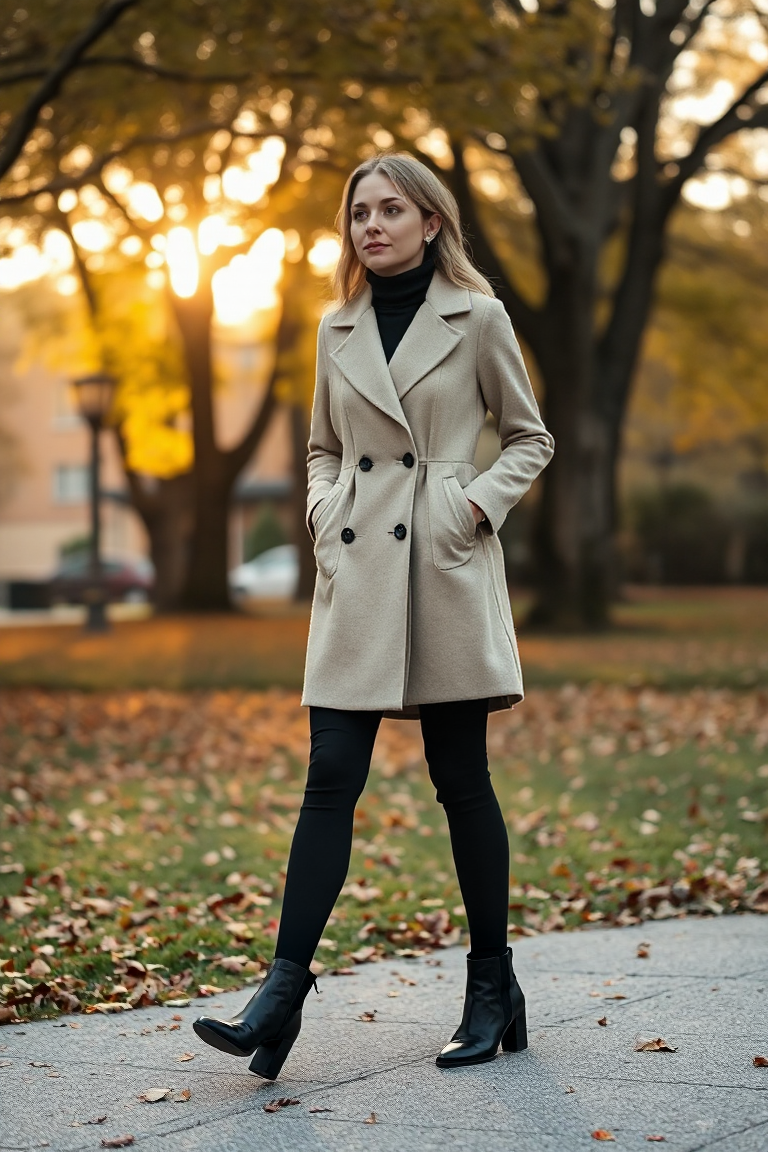
Absolutely. Pair a midi or A-line skirt with opaque tights, a long cardigan, or a lightweight coat. Choose fabrics like wool or cotton for warmth and comfort. A well-layered skirt outfit can be both stylish and practical.