
I’ve always been drawn to the quiet confidence of a well-dressed woman who looks like she’s effortlessly pulled together without saying a word. There’s something so powerful about wearing a single colour from head to toe—how it elongates the silhouette, creates a sense of cohesion, and makes every movement feel intentional. Whether I’m heading to a board meeting or a dinner date, monochrome dressing has become my go-to style hack. It’s simple, polished, and somehow always feels modern. In this guide, I’ll walk you through everything you need to know to master the art of monochrome dressing, from choosing the right shade to layering with texture and adding subtle personality to your look.
Why Monochrome Dressing Works So Well
Monochrome dressing isn’t just a fashion trend—it’s a timeless approach to style that works across seasons and body types. When you wear a single colour from head to toe, you create a seamless visual line that elongates your figure and draws attention to your shape rather than your clothes. This effect is especially flattering for those who want to appear taller or more streamlined, and it’s a favourite among influencers and fashion editors alike. I’ve found that wearing monochrome makes me feel more put-together in the morning, because I don’t have to stress over matching separate pieces. It’s a style that feels intentional but not overthought.
Beyond the visual impact, monochrome dressing saves time. Instead of spending ten minutes debating whether that navy top works with my beige trousers, I can pull out a matching set and walk out the door with confidence. It’s a game-changer for busy mornings and last-minute plans. I’ve also noticed that it gives off a sense of calm authority—when you wear a single tone from your shoes to your jacket, it signals that you know exactly who you are and what you want.
Choosing the Right Base Colour for Your Skin Tone
The first step in nailing monochrome dressing is selecting the right base colour for your skin tone. I’ve learned that not all shades flatter everyone, and getting this wrong can make a look dull or even muddy. If you have cool undertones, you’ll likely look radiant in shades like icy blue, slate grey, or deep plum. I’ve found that wearing a cool grey suit with a hint of silver jewellery makes my eyes pop and my skin glow. On the other hand, warm undertones benefit from earthy tones like camel, olive green, or burnt orange. I wear a warm beige trench coat in autumn, and it complements my golden complexion beautifully.
It’s also worth considering your overall complexion. If you have fair skin, lighter shades like soft taupe or pale lilac can look delicate and refined. For deeper skin tones, rich jewel tones like emerald, burgundy, or navy bring out your natural warmth. I’ve found that a deep chocolate brown coat makes me feel luxurious and grounded. The key is to test colours in natural light and see how they interact with your skin. You might be surprised to discover that a shade you thought was too dark actually looks stunning when worn head-to-toe.
How to Layer Monochrome Without Losing the Effect
One of the most common concerns with monochrome dressing is that it can look flat or boring if not done thoughtfully. But layering is where you can add depth and dimension while still maintaining the cohesive look. I love layering different textures within the same colour family—like pairing a cashmere sweater in cream with a wool coat in off-white. The contrast in fabric keeps the look interesting without breaking the monochrome rule.
You can also experiment with varying shades of the same colour. For example, wearing a light grey turtleneck under a charcoal grey blazer creates a subtle gradient that adds visual interest. I’ve found that this technique works especially well in cooler months, when wearing heavier fabrics naturally creates more volume. Just make sure the tones are close enough to maintain the illusion of a single colour. A slightly darker shade of navy on the bottom with a lighter navy top can look like one continuous outfit if the contrast is minimal.
Using Texture to Add Interest
Texture is your secret weapon in monochrome dressing. Without it, even the most perfectly matched outfits can fall flat. I’ve learned that mixing fabrics like silk, wool, cotton, and leather within a single colour palette adds depth and sophistication. For instance, pairing a ribbed knit sweater with a satin slip dress in the same shade of burgundy creates a rich, layered look that’s far from dull.
Lace, denim, and corduroy can also play a role in adding subtle variation. I love wearing a corduroy skirt with a matching corduroy jacket in a deep olive green—it looks intentional and curated, especially in autumn. Even small details like a leather belt or a crocodile-embossed handbag in a similar shade can enhance the monochrome aesthetic. The trick is to keep the texture variation subtle; you want the eye to be drawn to the overall shape, not distracted by random patterns or textures that clash.
Footwear and Accessories: The Finishing Touches
Footwear and accessories are where you can add personality to a monochrome look without breaking the rule. I’ve discovered that choosing shoes and bags in the same colour family—ideally a shade darker or lighter—helps maintain the visual flow. For example, wearing black loafers with a black wool coat creates a seamless silhouette, while still allowing for subtle contrast in the shade.
When it comes to accessories, I tend to opt for neutral tones or metallics like gold, silver, or rose gold. A pair of gold hoop earrings or a silver watch can elevate the look without drawing attention away from the outfit. I’ve found that even a simple leather belt in a matching shade can make a huge difference in pulling the whole look together. The key is to keep it minimal—too many accessories can disrupt the clean, streamlined vibe that monochrome dressing is all about.
Monochrome for Different Seasons
Monochrome dressing is incredibly versatile and adapts beautifully to each season. In spring, I love wearing soft pastels like blush pink or mint green—light and airy, yet still cohesive. I’ve found that a pale green coat over a matching silk blouse makes for a refreshing and feminine look.
During summer, I switch to cool tones like ice blue or pale yellow, which reflect sunlight and feel lighter on the skin. I often wear a white linen dress with a matching white linen blazer—perfect for a summer lunch or garden party. In autumn, I lean into deeper, warmer shades like rust, mustard, or chocolate brown. I’ll layer a deep red wool coat with a matching velvet skirt for a look that’s both rich and seasonally appropriate.

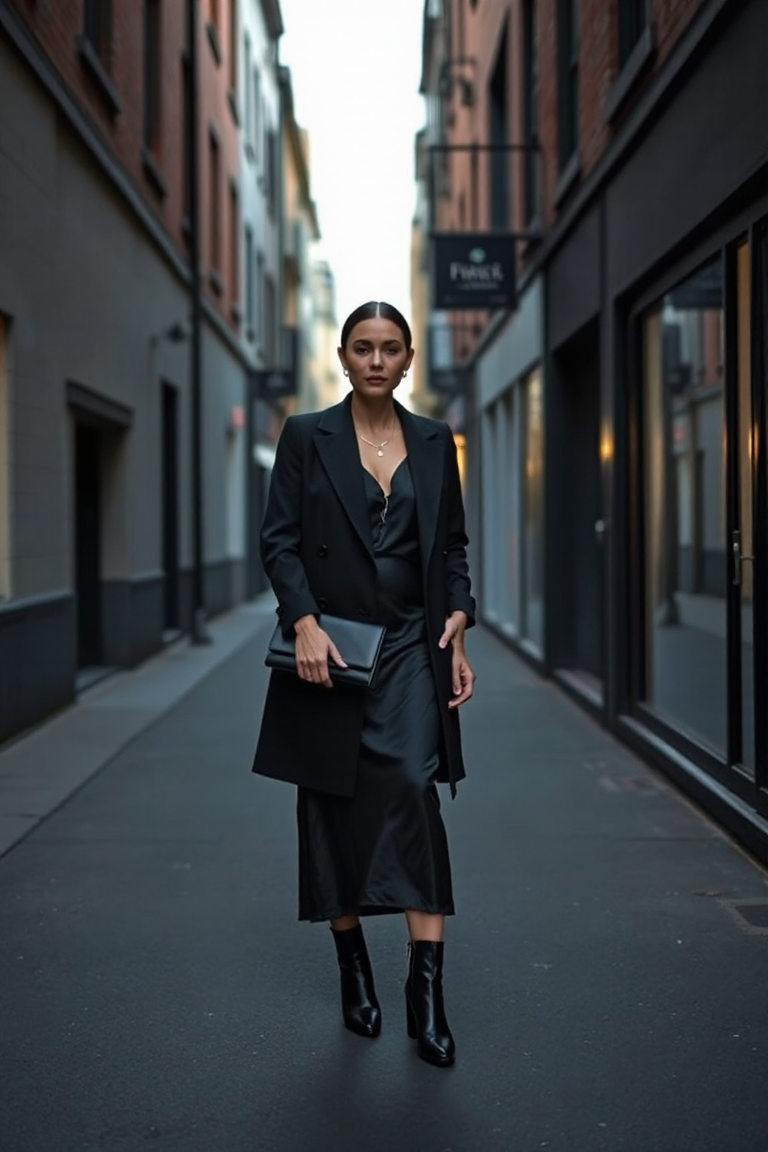
Winter calls for bold, dark tones like navy, charcoal, or black, which absorb light and create a sleek, polished silhouette. I love wearing a black wool coat with a black cashmere sweater and black trousers—effortless and timeless. The key is to adjust the fabric weight and layering techniques to suit the weather while keeping the colour consistent.
Styling Monochrome for Work and Formal Events
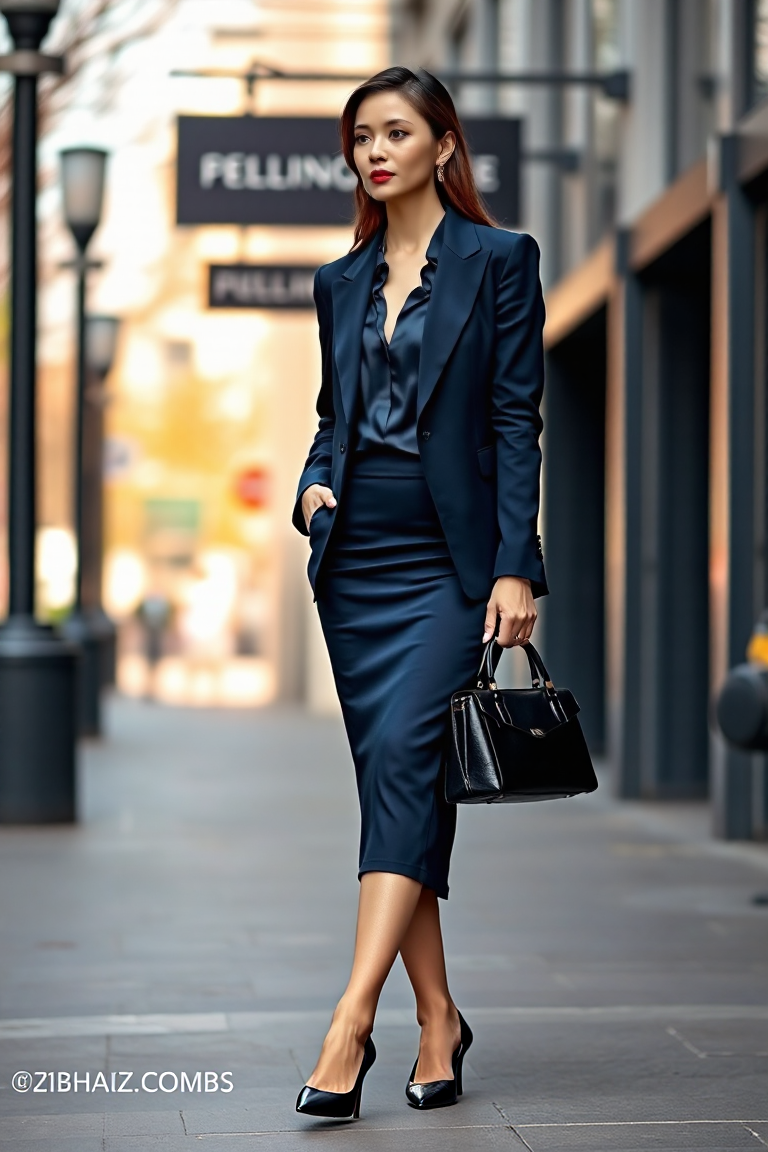
Monochrome dressing is ideal for the workplace and formal events because it projects professionalism and intentionality. I’ve worn a full navy suit with a matching silk blouse to board meetings, and it made me feel powerful and polished. The key is to choose structured pieces—like tailored blazers, pencil skirts, and sleek trousers—that enhance the silhouette.
For evening events, I opt for darker, more luxurious shades like black, deep emerald, or midnight blue. A floor-length black satin gown with a matching clutch and heels looks effortlessly elegant and never overdone. I’ve also worn a charcoal grey tuxedo-style jumpsuit to a formal dinner—it turned heads without being flashy. The trick is to keep the fabric quality high and the cut sharp. A well-fitted, monochrome outfit always feels more expensive than one with too many competing elements.
How to Make Monochrome Dressing Feel Less Intimidating
If you’re new to monochrome dressing, it can feel daunting—what if you make a mistake? But the truth is, it’s far easier than you think. Start with two or three pieces that are close in shade, like a black t-shirt, black jeans, and black boots. This simple combination creates a cohesive look without requiring a full wardrobe overhaul.
I’ve found that beginning with a colour you already love—like your go-to shade of grey or navy—helps build confidence. You can then add complementary pieces over time, such as a matching scarf or a coat. Another great starting point is to wear a monochrome outfit for just one day and see how it feels. I started with a beige cardigan and matching trousers for a casual weekend outing, and I felt so put-together that I’ve been doing it ever since.
The most important thing is to experiment. Try a new shade, mix textures, or play with layering. You’ll quickly discover that monochrome dressing is less about strict rules and more about creating a look that feels authentic and intentional.
Common Monochrome Mistakes to Avoid
Even seasoned stylists make mistakes, and monochrome dressing is no exception. One of the most common is wearing too many different shades of the same colour. I’ve seen looks where someone wears a light beige top, a medium beige skirt, and a dark beige coat—all in the same family—yet the contrast makes the outfit feel disjointed. The rule is to keep the tonal range narrow to maintain unity.
Another mistake is neglecting footwear. Wearing a monochrome outfit with mismatched shoes—like white sneakers with a black dress—breaks the illusion and makes the look feel unbalanced. I’ve learned to always ensure that footwear falls within the same colour family, even if it’s a slightly different shade.
Finally, avoid over-accessorising. While a statement necklace or bold earrings can be tempting, they can disrupt the clean lines of a monochrome outfit. I’ve found that simpler, more refined accessories work best—like a delicate gold chain or a pair of understated stud earrings. Less is more when it comes to monochrome dressing.
Styling Monochrome for Different Body Types
Monochrome dressing is incredibly flattering for all body types because it creates a continuous line that elongates and balances the silhouette. For petite frames, wearing a full monochrome outfit in a single shade can make you appear taller and more proportionate. I’ve found that a full-length black dress with black tights and heels makes me look taller and more streamlined.
For curvy figures, monochrome can help create a more harmonious shape by minimising visual interruptions. I love wearing a matching top and skirt in a rich navy—it elongates my frame and draws attention to my waistline. The key is to use tailoring to enhance your natural curves, rather than trying to hide them.
For hourglass shapes, a monochrome look with a defined waist—like a belted trench coat over a matching dress—accentuates your figure beautifully. For athletic builds, wearing a monochrome outfit in a soft, flowing fabric can create a more feminine silhouette. The beauty of monochrome is that it’s adaptable—no matter your shape, you can find a way to make it work for you.
Frequently Asked Questions
Can you wear monochrome in bright colours?
Yes, absolutely. Bright colours like red, yellow, or turquoise can be striking when worn monochromatically. The key is to choose shades that are close in tone and avoid mixing too many different hues. I’ve worn a full coral outfit for a summer party—it was bold but still cohesive because the pieces were all in the same shade family.
Is monochrome dressing only for formal occasions?
No, monochrome dressing works for both casual and formal settings. I wear monochrome outfits for everything from errands to dinners. The key is adjusting the fabric, cut, and accessories to suit the occasion—sweatpants in grey with a matching hoodie, for example, can be just as polished as a tailored suit.
How do you avoid looking like you’re wearing a uniform?
By incorporating different textures, layering thoughtfully, and adding subtle accessories. A simple gold watch, a structured handbag, or a pair of boots in the same colour family can make a monochrome outfit feel personal and intentional rather than uniform.