
I’ve spent countless winters navigating city streets in my favourite coat, but there’s nothing quite like stepping into a formal event in a look that feels both polished and protected from the cold. It’s a balancing act—how do you stay warm without looking like you’re dressed for a ski trip? I’ve learned over the years that the right winter coat can be the crown jewel of a sophisticated evening look, transforming a simple dress into a head-turning statement. The key lies in choosing pieces that feel luxurious, fit impeccably, and blend seamlessly with your formal attire. Whether it’s a winter wedding, a holiday gala, or an elegant dinner, mastering your coat ensemble can elevate your entire outfit.
Understand the Importance of Fabric Choice
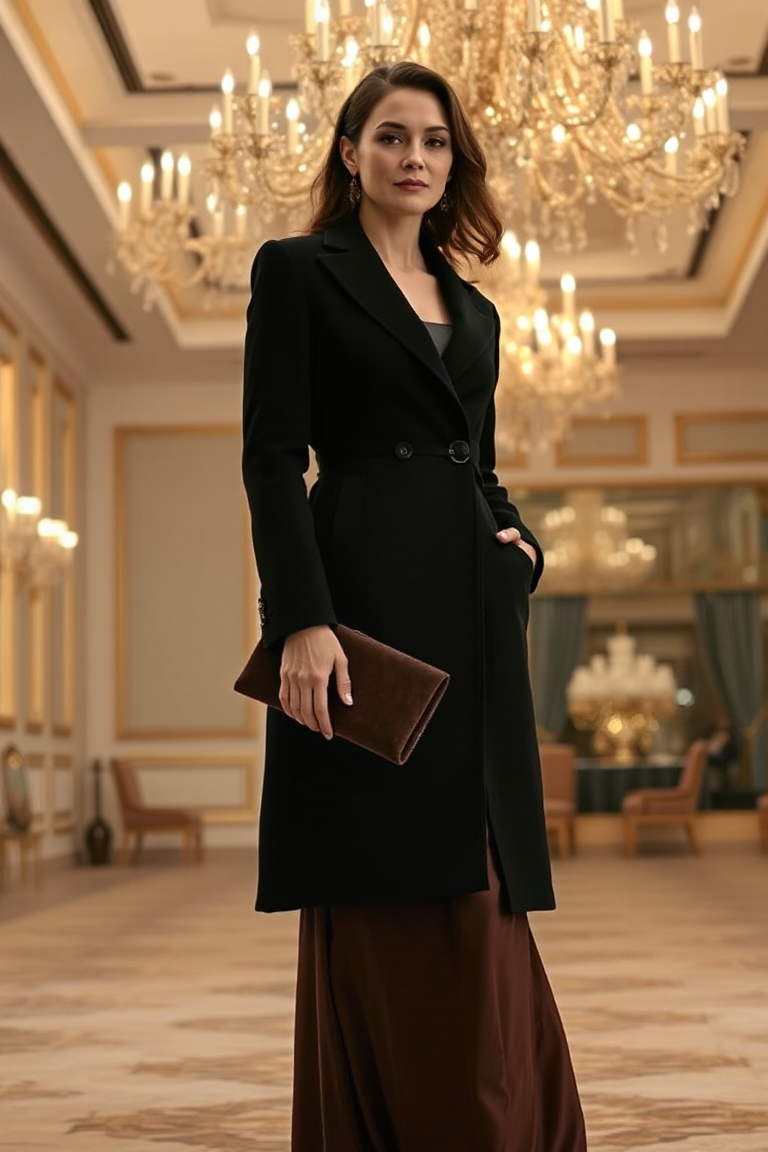
When selecting a winter coat for formal events, fabric is everything. You want something that feels luxurious to the touch, drapes beautifully, and exudes a sense of refined warmth. Wool, cashmere, and heavy silk blends are your best allies—these materials offer natural insulation without the bulk. I always avoid synthetic fabrics because they tend to look cheap under formal lighting and don’t breathe well in colder conditions. Natural fibres also have a way of catching light beautifully, which enhances your overall glow when you’re moving or turning. A high-quality coat in a rich, deep tone—like navy, charcoal, or burgundy—can look incredibly elegant under ambient lighting, especially in candle-lit settings. It’s worth investing in a coat that will last through several seasons, as the right fabric not only keeps you warm but also maintains its shape and sheen over time.
Choose the Right Silhouette for Your Body Shape
Not all coats are created equal, especially when it comes to how they flatter your figure. I’ve tried a few too many oversized styles that made me look like I was wearing a tent, but the real game-changer is choosing a coat that follows your natural silhouette. A tailored knee-length coat with a defined waistline creates a flattering hourglass effect, while a longer, straight-cut coat works beautifully with a more relaxed or A-line dress. If you’re petite, a coat that hits at the knee or just above the ankle adds length and proportion, whereas taller women can pull off dramatic, floor-length styles with ease. The key is balance: the coat should enhance your shape rather than disguise it. Look for details like structured shoulders, a well-defined waist, and clean lines that give the appearance of a polished, intentional look. Avoid coats with excessive volume or oversized collars—these can overwhelm your frame and detract from your outfit’s elegance.
Layer Strategically Without Sacrificing Style
Layering is essential for warmth, but it can easily ruin a formal look if not done thoughtfully. I always start with a base layer that’s smooth and seamless—something like a silk camisole or a fine-knit turtleneck in a matching or complementary shade. Then, I add a fitted dress or tailored trousers that sit neatly under the coat. The trick is to ensure there are no bulges or wrinkles peeping out at the neckline or waist. I’ve learned to avoid thick jumpers or bulky scarves—while they may keep you warm, they look out of place in a formal setting. Instead, I opt for lightweight cashmere or silk-blend layers that provide insulation without bulk. A structured coat with a tailored fit helps hold everything in place, creating a seamless silhouette. The goal is to appear as though you’ve simply stepped into a perfectly coordinated ensemble, rather than layered your way through the cold.
Match Your Coat to Your Outfit’s Colour Palette
One of the most overlooked aspects of styling a winter coat for formal events is ensuring it harmonises with your outfit. I always take a moment to consider the colour story of my entire look before deciding on a coat. For instance, if I’m wearing a deep emerald green gown, I might choose a coat in forest green or charcoal grey to create a monochromatic effect. If my dress is in a soft blush or ivory, a cream or taupe coat adds subtle contrast without clashing. I avoid bright or bold colours unless they’re part of a coordinated theme—too many competing hues can make the look feel chaotic. The coat should feel like an extension of your outfit, not a separate, mismatched piece. I also love experimenting with tonal variations—like pairing a navy dress with a slightly lighter navy coat—to add depth and dimension to your look. A well-matched colour palette instantly elevates your appearance and makes your ensemble feel cohesive.
Consider the Length and Fit for Movement
When dressing for formal events, comfort and mobility matter just as much as elegance. I’ve experienced the frustration of being unable to sit or dance properly because my coat was too long or too tight, so I now always consider how the coat will function during the evening. A knee-length coat is ideal for most formal settings, as it allows for easy movement while still providing enough coverage to keep you warm. I avoid anything that extends past the ankle unless you’re attending a very high-end event where floor-length coats are expected. The fit should be snug enough to hug your waist without restricting your breathing, but not so tight that it creates unsightly bulges. I also pay close attention to sleeve length—long enough to cover your wrists but not so long that they bunch up when you’re wearing gloves or holding a clutch. A well-fitting coat enhances your posture and gives you the confidence to move freely and enjoy the evening.
Accessorise Thoughtfully to Enhance the Look
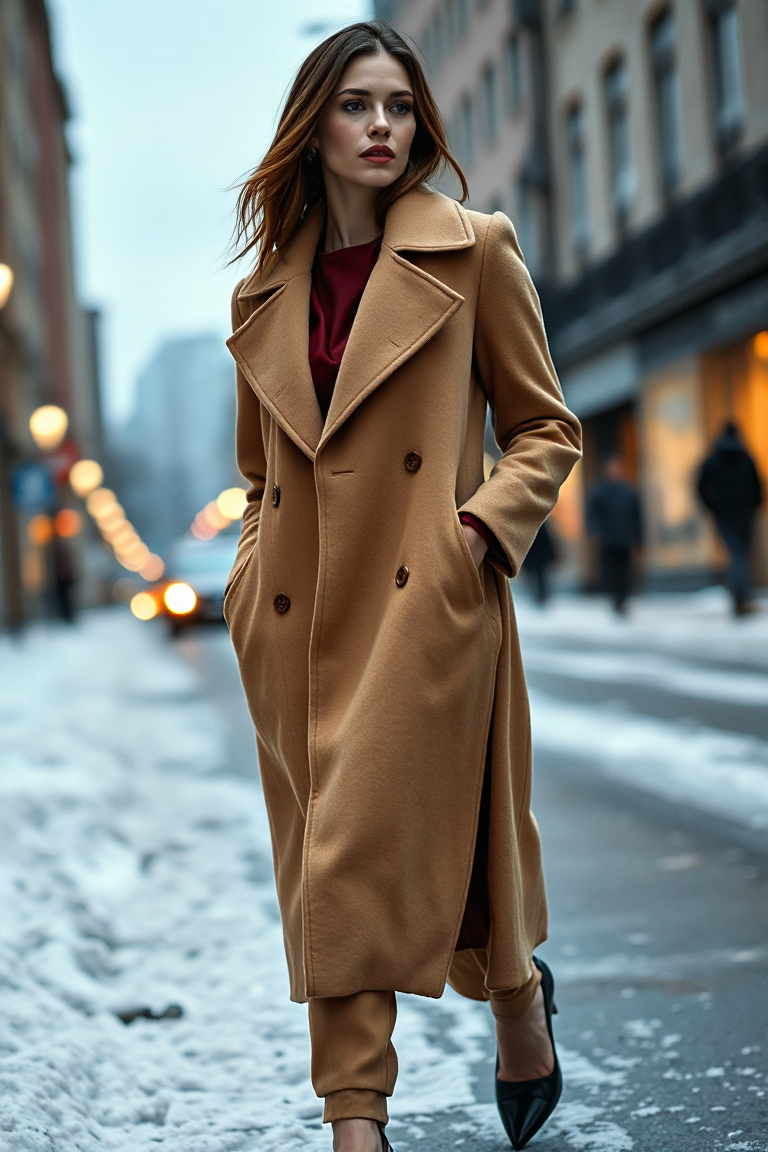
Accessories can make or break a winter coat ensemble, and I’ve learned to keep them intentional and refined. A long, silk scarf in a coordinating colour can add a touch of softness and luxury, especially when the coat is in a neutral shade. I love pairing a structured coat with delicate gold or silver jewellery—think dainty earrings and a slender bracelet—to add subtle glamour without overwhelming the outfit. A leather or velvet clutch in a complementary shade adds a sophisticated finish, while a wide-brimmed hat or a stylish scarf can provide extra warmth without sacrificing style. I also favour gloves made of suede or leather, as they add a luxe touch and protect your hands while still looking polished. The key is restraint: one or two well-chosen accessories elevate the look, whereas too many can make it feel cluttered. You want to look like you’ve thought it through, not like you’ve thrown everything you own into your coat pocket.
Optimise Your Coat for Different Weather Conditions
Even in winter, weather can vary dramatically from one evening to the next, so it’s crucial to prepare for different conditions. I’ve found that a coat with a removable inner lining or a detachable hood adds practicality without compromising style. On snowy nights, I choose a coat with a water-resistant outer shell—this keeps the snow from soaking into the fabric and making the hem heavy. For windy conditions, a coat with a high collar or a built-in scarf adds extra protection. I also keep a lightweight thermal layer on hand that I can wear underneath if the temperature drops unexpectedly. If you’re attending an outdoor event, consider a coat with a slight sheen or a subtle texture that reflects ambient light and prevents you from blending into the background. Being prepared for the elements ensures you stay comfortable and maintain your elegance throughout the evening.
Invest in a Coat That Transforms with Your Wardrobe
One of the best decisions I made was investing in a versatile winter coat that can transition across multiple events and seasons. A classic tailored coat in a neutral shade like black, navy, or camel can be paired with anything from a silk slip dress to a structured wool skirt. The key is to choose a design that’s timeless and clean—nothing too trendy or fussy. I’ve found that coats with simple lines, minimal hardware, and a subtle texture offer the most longevity. These pieces can be worn again and again, often looking even better with age as they develop a soft, lived-in charm. Rather than buying several seasonal coats, I prefer one or two high-quality options that I can style in different ways. Over time, this approach saves money and reduces clutter while allowing me to stay consistently polished.
Focus on Details That Make a Difference
It’s the little things that elevate a winter coat ensemble from nice to unforgettable. I always check for details like hand-stitched buttons, clean seam lines, and a well-finished interior lining—these signs of craftsmanship make a big difference. A coat with a subtle sheen, like a wool blend with silk threads, catches the light in the most flattering way. I also love coats with a single-breasted silhouette, which keeps the look streamlined and modern. Another trick I use is lining the coat with a soft, contrasting fabric—like a deep burgundy or plum—so that it adds a touch of surprise when you move or turn. Even the way the coat closes—whether with a concealed button or a sleek magnetic fastening—can affect the overall flow of the look. These details may seem small, but they signal attention to quality and help you stand out in a crowd.
Practice Your Coat Etiquette for a Polished Entrance
How you wear and remove your coat can impact the impression you make. I’ve learned that taking your coat off at the entrance of a formal event, rather than during dinner, is a subtle yet important gesture of respect. I always carry a small coat check or a designated area where I can hang it, so I don’t have to juggle it throughout the evening. When removing it, I do so with ease and grace—never pulling at the fabric or fumbling with zippers. I also make sure my dress or pants are smooth underneath, so there’s no visible bulge or shift when I take it off. If the event is particularly formal, I might even consider wearing a short, elegant wrap or stole that I can drape over my shoulders. This ensures I’m always poised and ready to be admired, not just surviving the cold.
Consider the Event Venue and Its Lighting
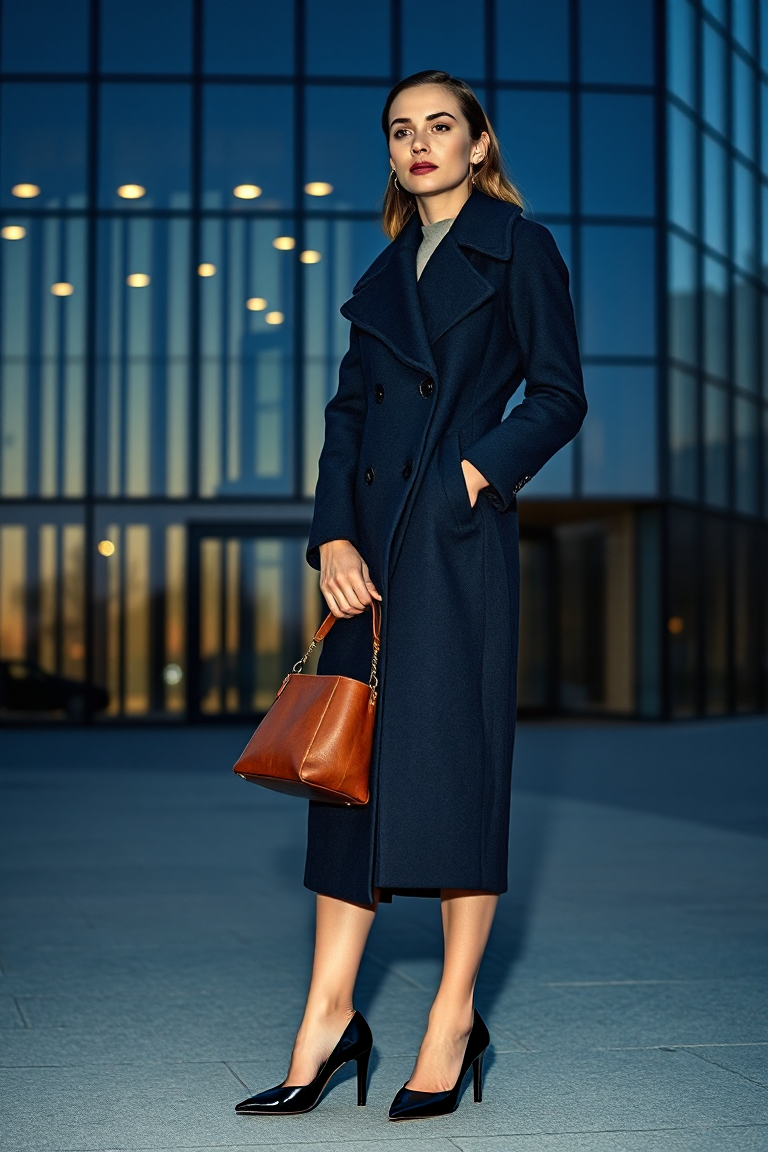
Where and when your event takes place can drastically affect how your coat looks. I’ve attended galas in grand ballrooms with ornate chandeliers, where a matte black coat can look dull, while a coat with a slight sheen picks up the light beautifully. On the other hand, in a candlelit restaurant, a deep velvet or cashmere coat in a rich tone like burgundy or forest green can feel incredibly luxurious. I always consider the lighting and background when choosing my coat—dark coats can get lost in dimly lit spaces, while lighter or textured fabrics shine under ambient light. If you’re going to a more modern venue with bold architectural details, a coat with clean lines and a sleek finish can complement the setting. Understanding your environment helps you make a choice that feels both appropriate and stunning.
Frequently Asked Questions
Can I wear a winter coat to a formal dinner?
Yes, absolutely. The key is choosing a coat that’s tailored, made from high-quality fabric, and styled in a way that complements your outfit. Opt for a knee-length, structured coat in a neutral or complementary colour, and ensure it’s not overly bulky.
What colours work best for winter coats at formal events?
Classic, timeless shades like black, navy, charcoal, burgundy, and deep green are ideal. These colours exude sophistication and pair well with a wide range of formal outfits without overwhelming them.
How do I avoid looking overdressed in a winter coat?
Keep your coat sleek and tailored, avoid excessive accessories, and ensure it fits well. Stick to a single colour or a subtle pattern, and make sure the rest of your outfit is polished and coordinated.