
I’ve always found autumn to be one of the most magical times of the year—not just because of the crisp air and golden leaves, but because of the way it invites us to embrace richer, more layered looks. As the days grow shorter and the light takes on that soft, amber glow, my wardrobe instinctively shifts, too. I find myself reaching for deeper hues, richer textures, and those subtle combinations that feel both grounding and luxurious. If you’re like me and love the idea of dressing with intention this season, you’re in the right place. This guide will walk you through the most beautiful autumn colour palettes, how to identify your personal palette, and how to mix and match with confidence so your autumn style feels both intentional and effortlessly beautiful.
Why Autumn Colours Matter in Your Wardrobe
Choosing the right colours for autumn isn’t just about staying on trend—it’s about feeling aligned with the season. Autumn colours have a way of mirroring the natural world around us: the russet of fallen leaves, the warm glow of a campfire, the deep brown of damp earth. When you wear these tones, you’re not just dressing for the weather—you’re dressing for the mood. I’ve found that embracing autumn hues helps me feel more grounded and connected, especially as the year begins to wind down. These colours have a way of softening the harshness of overcast days, adding depth to your outfit without overwhelming it. They’re also incredibly flattering on a range of skin tones, especially when you choose shades that complement your natural undertones. The key is to avoid going too dark or too muddy—opt for tones that are rich but not dull, warm but not garish. A well-chosen autumn palette can make your entire outfit feel cohesive, even when you’re layering multiple pieces.
Understanding Your Skin Undertone
Before you start picking out your autumn colours, it’s helpful to understand your skin’s undertone. This isn’t about your complexion’s shade, but the subtle hue beneath the surface—whether you’re cool, warm, or neutral. I used to think I was just ‘fair-skinned,’ but I didn’t realise how much my undertone affected which colours looked best on me until I did a simple test. One of the easiest ways to find out is to look at the inside of your wrist. If your veins appear blue or purple, you likely have cool undertones. If they look greenish, you’re probably warm. And if you can’t tell, you might be neutral. This matters because cool undertones tend to glow in blue-based colours like navy, plum, and slate, while warm undertones shine in golden, rust, and ochre. Neutral tones can pull off a wider range, but still benefit from a little guidance. I’ve found that when I dress according to my undertone, my clothes just look more polished, like they were made for me. It’s a small shift that makes a big difference in how confident you feel.
The Warm Neutrals Palette
Warm neutrals are one of the most versatile autumn colour palettes, and I’ve worn them every year without getting bored. Think shades like beige, camel, taupe, and light brown—colours that feel both sophisticated and soft. These tones work beautifully with the natural light of autumn, especially in the late afternoon when everything glows golden. I love layering a cream-coloured cashmere sweater over a caramel trench coat—it’s simple, but so elegant. The beauty of warm neutrals is that they’re incredibly easy to mix and match. You can pair them with deeper autumn shades like burnt orange or deep olive, or keep things minimalist with a monochromatic look in varying shades of beige. What I’ve learned over the years is that neutral doesn’t mean boring—when you choose textures like wool, linen, or soft leather, even the simplest outfit feels luxurious. They’re also perfect for travel, as they’re easy to pack and go with everything.
The Deep Jewel Tones Palette
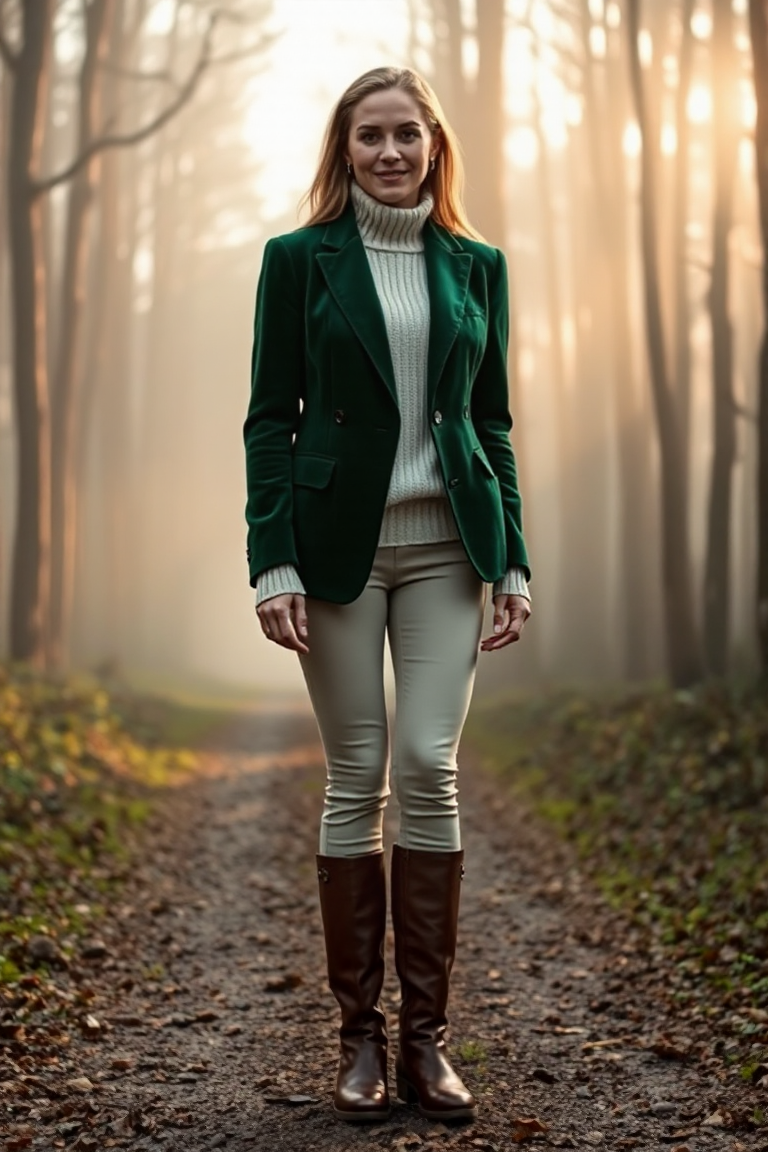
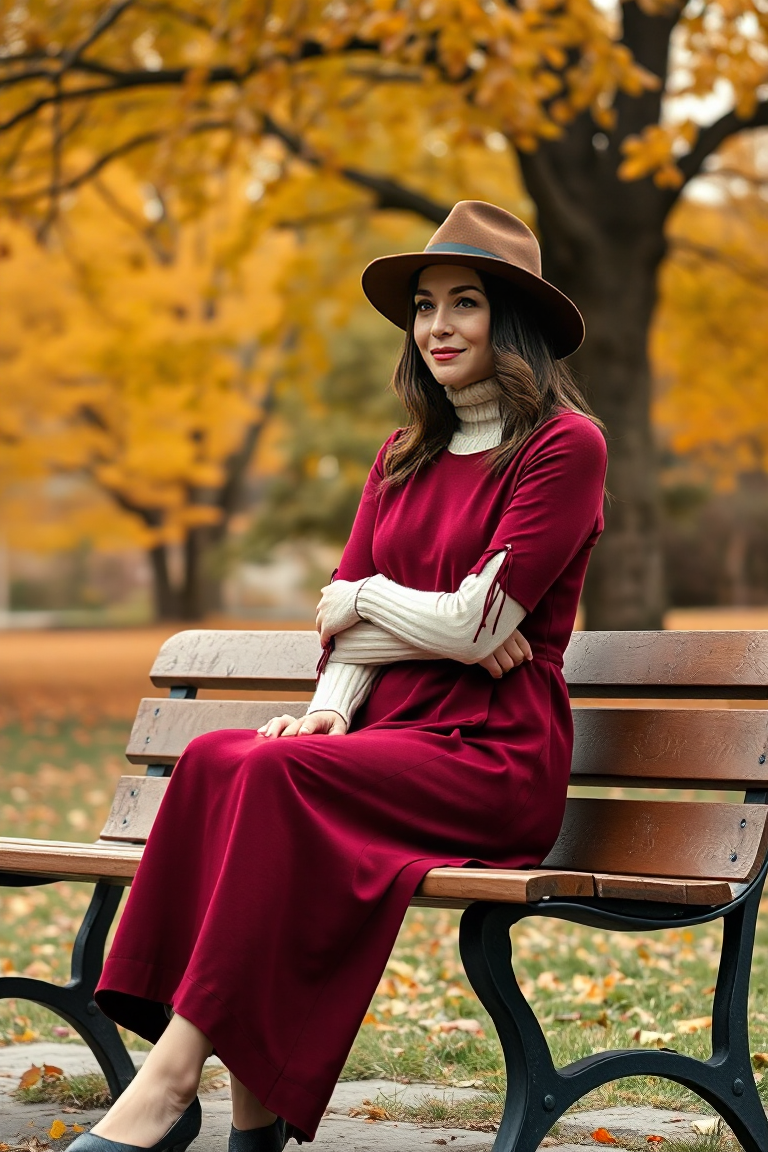
If you want to make a statement this autumn, deep jewel tones are your go-to. Think sapphire, emerald, amethyst, and ruby—colours that feel rich, luxurious, and deeply autumnal. I remember the first time I wore a deep emerald green coat; it was cold, but I felt like I was wrapped in a piece of the season itself. These colours are especially stunning when paired with warm neutrals or soft gold accents. I love wearing a deep burgundy dress with a gold necklace and brown boots—it’s dramatic without being over the top. The trick is to avoid going too dark or flat; instead, look for tones with a little depth and sheen. A satin blouse in a deep plum or a velvet blazer in navy can instantly elevate your look. I’ve found that jewel tones work best when they’re balanced with a neutral base—pair a bold top with beige trousers, for example. This way, the colour stands out without overwhelming your entire outfit.
The Earthy Olive Palette
Earthy olive is one of my favourite autumn colour palettes because it feels grounded, natural, and effortlessly chic. It’s a shade that lies between green and brown, and it’s so versatile—perfect for both casual and polished looks. I’ve started wearing olive green jackets and trousers more than ever, especially in the dappled light of the afternoon, where they take on this soft, mossy quality. One of the best things about olive is how well it pairs with other autumn shades. Try it with rust, mustard, or even a deep mustard yellow—it creates a warm, harmonious effect. I also love layering a cream sweater under an olive trench or pairing a green skirt with a brown turtleneck. The key is to keep the rest of your outfit simple so the olive can shine. It’s a colour that doesn’t demand attention, but quietly makes a statement. It’s my go-to for days when I want to look put-together without trying too hard.
The Rust and Mustard Duo
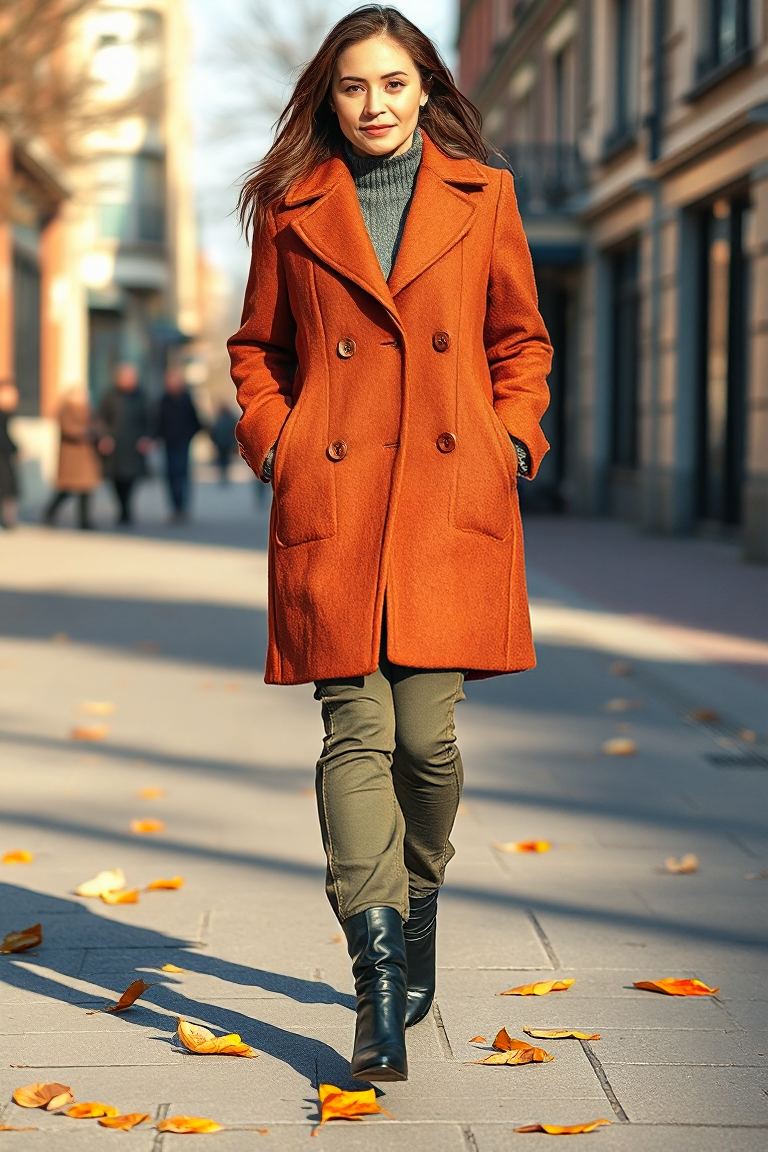
There’s something so joyful about rust and mustard yellow—it’s like wearing a piece of autumn sunshine. These colours are warm, energetic, and deeply inviting, and I’ve found they brighten up even the most grey days. I love a rust-coloured sweater paired with mustard trousers, or a mustard scarf thrown over a neutral coat. The combination feels modern yet timeless, and it’s so easy to build around. The trick is to keep the rest of your outfit neutral so the colours can pop. A black leather jacket over a rust top, for example, creates a lovely contrast. I’ve also found that these colours are incredibly flattering on a range of skin tones, especially when you’re looking to add a little warmth to your look. They work well in both casual and smart-casual settings, and they pair beautifully with natural textures like wool, tweed, and corduroy. This palette feels like a hug from the season itself.
How to Mix and Match Colours in Autumn
Mixing autumn colours doesn’t have to be intimidating—you don’t need to be a colour expert to create a beautiful, cohesive look. The key is to start with a base colour and build from there. I usually pick a warm neutral like camel or beige as my foundation, then add one or two accent colours—like rust, olive, or deep burgundy. This creates balance and keeps the outfit from feeling too busy. Another trick I use is to repeat a colour in different textures. For example, I might wear a rust-coloured sweater, then pair it with olive green boots and a mustard scarf—this creates visual harmony without being obvious. You can also use complementary colours to make your outfit pop. Think navy and rust, or olive and gold. The most important thing is to trust your instincts. If you love how something looks together, it probably will work well. And don’t be afraid to experiment—autumn is the perfect season to play with colour and texture.
Textural Harmony in Autumn Styling
Colours are only part of the story—textures play just as big a role in creating a beautiful autumn look. I’ve found that combining different fabrics can make even the simplest colour palette feel rich and layered. Think wool, cashmere, velvet, corduroy, and leather—all of which are perfect for autumn. For example, a deep navy coat over a cream sweater with a wool skirt creates a mix of softness and structure. The contrast between textures adds depth and interest, even when the colours are neutral. I love using velvet for a pop of luxury—try a velvet blazer in a deep plum or emerald, and you’ll instantly feel more dressed up. And don’t forget about accessories—leather boots, wool scarves, and felt hats all add texture and warmth. The key is to keep the palette cohesive while playing with different finishes. A soft cashmere sweater with a crisp linen shirt underneath, for example, creates a look that’s both modern and timeless.
Seasonal Transitions and Layering Tips
Autumn is all about transition—between seasons, between temperatures, and between styles. That’s why layering is such a key part of autumn dressing. I’ve found that the best way to handle changing weather is to build your outfit in layers, starting with a base layer, then adding mid-layers, and finishing with a statement outer layer. For example, I might wear a silk camisole, then layer a long-sleeve knit, and top it with a wool coat. This way, I can adjust to the temperature without having to change my entire outfit. I also like to choose colours that work well together when layered—think cream, oatmeal, and deep brown, which blend beautifully. Another trick is to use a statement piece as your outer layer, like a bold, textured coat in rust or olive. This keeps the look interesting while still feeling practical. The key is to keep your layers cohesive in both colour and texture—this way, even if you’re wearing five layers, the outfit still feels intentional and put together.
Styling for Different Occasions
One of the joys of autumn colour palettes is how versatile they are—whether you’re heading to the office, meeting friends for coffee, or going out for dinner, there’s a look that works. For work, I tend to go for warm neutrals with a pop of colour—like a camel coat over a navy dress, with a rust-coloured scarf. It’s professional but still feels seasonal. For casual days, I love pairing a soft olive sweater with brown corduroys and boots—it’s relaxed but still put-together. And for evenings, I’ll go all out with deep jewel tones: a velvet blazer in emerald, a silk blouse in cream, and black boots. The key is to match the level of formality to the occasion while still staying true to your personal style. I’ve also found that accessories can make a big difference—try a gold watch or a deep red clutch to elevate a simple outfit. And don’t forget footwear—boots in a rich brown or burgundy can tie an entire look together.
Embracing Minimalism with Autumn Hues
Minimalism doesn’t have to mean boring—even in autumn, you can create a striking look with just a few well-chosen colours. I’ve embraced a minimalist approach in recent years, and it’s made my wardrobe feel so much more intentional. I focus on a core palette—say, camel, cream, and deep burgundy—and build my outfits around those colours. This way, everything matches, and I never have to stress about what to wear. I love wearing a longline cream coat over a burnt orange sweater and brown trousers—it’s simple, but so elegant. The trick is to focus on quality over quantity. Invest in a few key pieces in timeless autumn colours, and you’ll find your outfits come together effortlessly. I’ve also found that minimalism makes it easier to layer—when you have fewer colours, each piece stands out more. It’s a look that feels both modern and deeply autumnal.
Frequently Asked Questions
How do I know which autumn colour palette suits me best?
Start by identifying your skin’s undertone—cool, warm, or neutral. Then, experiment with different colours in natural light. Try on shades like rust, olive, or deep burgundy and see which ones make your skin glow. The ones that enhance your natural radiance are the ones you should wear most.
Can I wear bright colours in autumn, or should I stick to neutrals?
Of course! While autumn is known for its earthy tones, bright colours like mustard, rust, and even deep cobalt can work beautifully. The key is to pair them with neutrals to balance the look and ensure they feel seasonal rather than out of place.
How can I make my autumn outfit feel more cohesive?
Focus on a consistent colour palette across your entire outfit—top, bottom, and accessories. Use tonal variations of the same hue, and pair complementary colours with neutrals. This creates harmony and makes your look feel intentional and polished.