
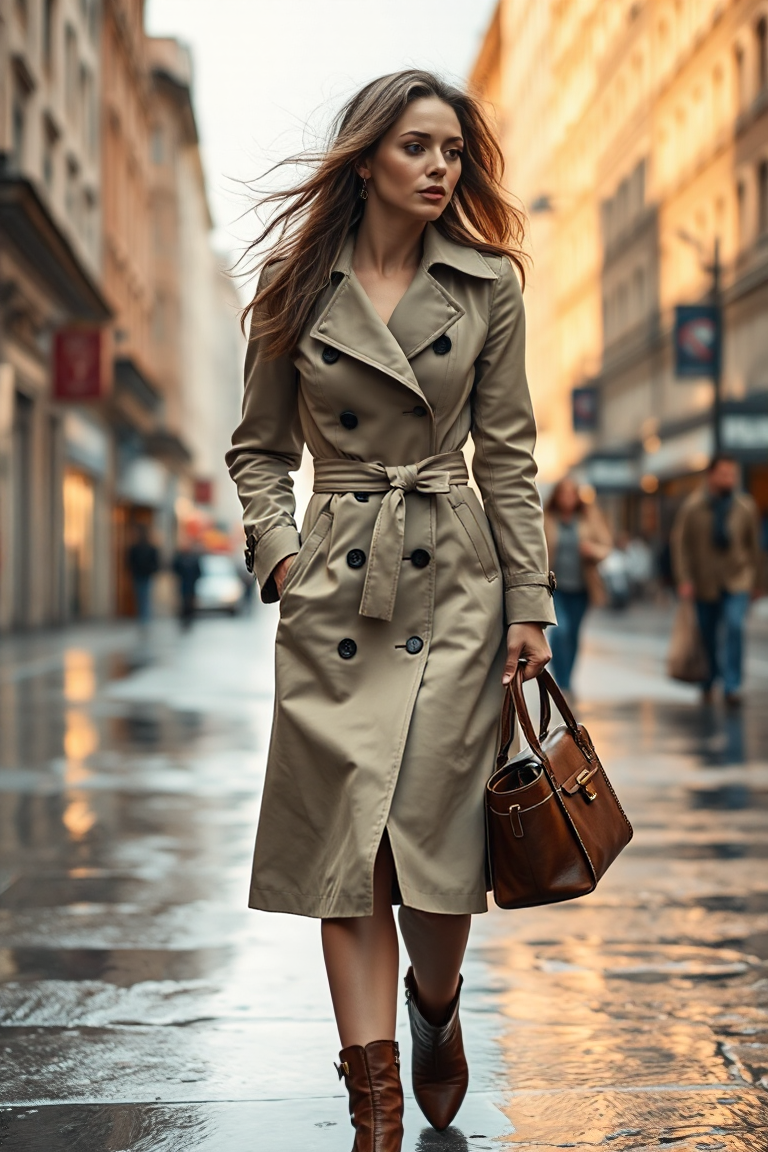
I’ve always believed that a well-fitted trench coat isn’t just a garment—it’s a signature. It’s the one piece that instantly elevates an outfit, adds polish, and makes you feel like you’ve got it all together. I’ve worn trench coats for years, through rainy city commutes, sun-drenched holidays, and every season in between, and I’ve learned the hard way that the difference between looking chic and looking like you’ve been swallowed by a coat is all in the fit. Whether you’re stepping out in a classic double-breasted style or a modern slimline version, getting the fit just right is the key to making your trench truly work for you.
Why Fit Matters More Than Ever
When it comes to outerwear, fit is everything—especially with a trench coat. Unlike a T-shirt or a sweater, a trench coat isn’t just about comfort; it’s about shape, structure, and silhouette. A well-tailored trench coat drapes beautifully, moves with you, and enhances your natural frame, while a poorly fitted one can look bulky, shapeless, or even comical. I’ve seen people wear trench coats that were too wide, too long, or too baggy, and it completely undermined their entire look—no matter how nice the fabric was. The right fit helps you look intentional and put-together, not lost in a sea of fabric. It also ensures the coat functions properly—hanging correctly, staying closed in the wind, and allowing full freedom of movement. In short, the fit determines whether your trench becomes a statement piece or just another item in the back of your wardrobe.
Understanding Your Body Shape
Before you even look at a trench coat, you need to know your body shape. It’s not about labels like “pear” or “apple”—it’s about how the coat should fall and where it should hit on your frame. I’ve found that the best trench coats are those that flatter your natural silhouette rather than try to disguise it. For example, if you have a more hourglass figure, a trench with a defined waistline—like one with a belted design—will accentuate your curves beautifully. If you’re on the slimmer side, a slightly tailored or cropped version can add structure without overwhelming your frame. And if you have broader shoulders or a more rectangular shape, a trench with a clean, straight cut and a defined collar can help create the illusion of shape. I always start by assessing my own proportions: where my shoulders sit, where my waist curves, and how my hips flare. That way, I can look for a trench that complements, not contradicts, my natural shape.
Shoulder Fit: The Foundation of a Great Trench
One of the most critical aspects of trench coat fit is the shoulder seam. It’s the anchor point that determines everything else—how the sleeves sit, how the body falls, and even how the collar lies. If the shoulder seam is off, even by a centimetre, the whole look can go wrong. I’ve made the mistake of buying a trench coat where the shoulder seam was too far back, and it made me look like I was carrying a large backpack. The key is to ensure the shoulder seam sits right where your shoulder ends, not down your arm. To test this, stand up straight and place your hand on your shoulder—your hand should sit directly over the seam of the coat. If it’s too far forward, the coat will pull and look awkward; if it’s too far back, it’ll sag and create a bulky appearance. This is especially important in structured fabrics like wool or cotton gabardine, where the shape is more defined. Always check the shoulder fit before you commit.
Length That Works for You
The length of your trench coat is just as important as the fit at the shoulders and waist. It should hit at a point that enhances your silhouette without overwhelming your frame. I’ve learned that longer trench coats—those that reach mid-calf or below—look stunning on taller women, but they can be too much on shorter frames unless you balance them with the right shoes. A good rule of thumb is that the trench should end around the top of your knee or just below it. This length creates a flattering line that elongates the legs and keeps the outfit balanced. For shorter or petite women, a cropped trench—ending mid-thigh or just above the knee—can be more proportionate and stylish. I also love a knee-length trench for its timeless elegance, especially when worn with heeled boots. The trick is to avoid anything too long that drags or pools at the bottom, as that can make you look shorter and less polished.
Sleeve Length: Don’t Ignore the Details
Sleeve length is one of those details that can make or break a trench coat’s look. You want the sleeves to hit just above the wrist bone—ideally, a centimetre or two below the wrist—so that your hands are visible when your arms are down. I once wore a trench coat with sleeves that were too long, and it looked like I was wearing a rain poncho. Not exactly stylish. The right sleeve length allows you to move naturally and ensures that the coat doesn’t bunch up or pull at the wrists. If you’re getting a coat tailored, ask your tailor to shorten the sleeves slightly so they fall just right. And if you’re buying off the rack, always check how the sleeves look when you’re wearing the coat—don’t just glance at the hanger. I’ve found that sleeves that are too long can make your hands look hidden and your arms appear shorter, while sleeves that are too short can create a mismatched, amateurish look. The sweet spot is just right, with the cuff sitting perfectly on your wrist.
Waist Definition: Belt or No Belt?
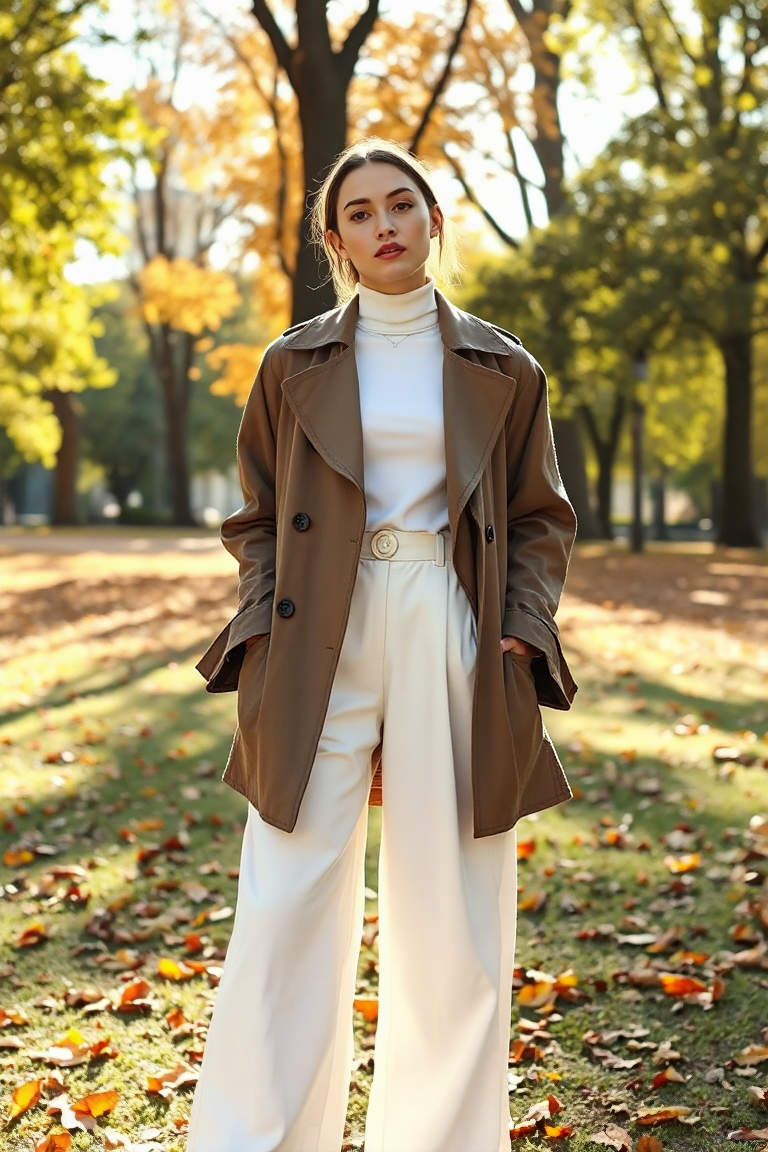
One of the biggest decisions when choosing a trench coat is whether you want a belted style or a straight-cut one. I personally love a belted trench because it adds definition and creates a more tailored look. The belt cinches the waist, which helps to create an hourglass shape and gives the coat a more flattering drape. But not all belts are created equal—some are too thin, others too thick, and many don’t sit properly at the natural waistline. I’ve found that the best belts are those that are wide enough to sit comfortably but not so wide that they overpower the look. If you prefer a more modern, minimalist look, a sleeveless or waistless trench can work well too, especially if it’s slightly cropped. The key is to ensure the coat flatters your waistline, whether it’s defined by a belt or not. I often wear a belted trench in cooler months and switch to a straight-cut version in warmer weather—both work beautifully, depending on the season and the occasion.
Choosing the Right Fabric for Your Climate
Not all trench coats are created equal when it comes to fabric, and your climate should heavily influence your choice. I’ve owned trench coats made from cotton gabardine, wool, and even lightweight cotton blends—each has its place. In wetter climates, a water-resistant cotton gabardine is ideal because it’s durable and can handle drizzle without losing its shape. I’ve worn mine in London rain with no issues—it stays dry, holds its form, and doesn’t wrinkle easily. For milder weather, a lighter cotton or linen blend trench is perfect, as it breathes better and feels more comfortable on warmer days. I avoid thick wool coats in humid summers—they’re too heavy and can make you feel overheated. The fabric also affects how the coat fits: heavier materials tend to hold their shape better, while lighter fabrics may require more tailoring to avoid sagging. Think about your local weather patterns and how you’ll wear the coat most often before choosing the fabric.
Seasonal Styling: How to Wear Your Trench All Year
One of the best things about a trench coat is its versatility. I wear mine in spring, summer, autumn, and even winter—just with some adjustments. In spring and autumn, I layer it over a simple silk blouse and trousers or a midi dress. In summer, I wear a lightweight version over a swimsuit or a tank dress—perfect for beach-to-bistro transitions. In winter, I layer it over a chunky knit sweater and a scarf, and I wear it with tall boots for extra warmth. The key is to adjust your layers so the trench still fits well and doesn’t feel bulky. I avoid wearing thick layers underneath that make the coat look oversized. Instead, I go for slim-fit tops and long cardigans that keep the silhouette clean. I also love pairing my trench with a structured handbag and minimalist accessories to keep the look modern and polished. With a little layering magic, your trench can be a year-round staple.
Styling Tips for the Modern Woman
Styling a trench coat isn’t just about throwing it on—it’s about creating a cohesive look that feels effortless and intentional. I always start by choosing a neutral base—like black, beige, or navy—because it makes the coat the star. Then I build around it with simple, elegant pieces. A trench over a little black dress and heels is a classic that never fails. But I also love pairing it with wide-leg trousers and a tucked-in blouse for a smart-casual vibe. For a relaxed weekend look, I wear mine open over a striped t-shirt and jeans, with ankle boots. I’ve found that the right shoes can make a huge difference—try pairing your trench with sleek loafers, pointed-toe flats, or chunky boots depending on the mood. Don’t forget accessories: a wide belt, a statement watch, or a silk scarf can elevate the look. The goal is to keep it simple and let the trench coat shine.
Common Fit Mistakes to Avoid
Even with the best intentions, it’s easy to make fit mistakes when buying a trench coat. One of the most common is buying a coat that’s too big—thinking it’ll be more comfortable or versatile. But oversized coats can look sloppy and make you appear shorter. I’ve learned the hard way that a trench coat should skim the body, not swallow it. Another mistake is ignoring the sleeve length—especially in online shopping, where you can’t try it on. I always check the sleeve measurements carefully and compare them to my own. Another error is not considering the coat’s drape—some fabrics hang differently, and a coat that looks good on the rack may not move well when worn. I’ve also seen people wear trench coats with collars that sit too high, which can make the neck appear shorter. The lesson? Always try before you buy, or invest in tailoring if necessary. Fit is everything.
The Importance of Tailoring
Let’s be honest—perfect fit is rare, especially in off-the-rack garments. That’s why tailoring can be a game-changer. I’ve had several trench coats tailored to perfect fit—especially for the shoulders, sleeves, and waist—and the difference has been incredible. A professional tailor can take in the sides, shorten the sleeves, and adjust the length so the coat fits like it was made just for you. I’ve found that even a small alteration, like taking in the waist by an inch or shortening the sleeves by a centimetre, can make a huge difference in how the coat looks and feels. Tailoring also allows you to adapt a coat for different seasons or occasions—say, shortening it for a more modern look in summer. It’s worth the investment, especially if you’re wearing a coat you love. A well-tailored trench coat isn’t just a garment—it’s an investment in your style.
Frequently Asked Questions
How do I know if a trench coat fits properly?
To check if a trench coat fits properly, ensure the shoulder seam sits exactly where your shoulder ends, the sleeves end just above the wrist, and the coat hits around the top of your knee. The coat should skim your body without being too tight or too loose, and it should sit comfortably at the waist when belted.
Can a trench coat be worn in the summer?
Yes, a trench coat can be worn in the summer—especially if it’s made from a lightweight fabric like cotton or linen. I wear mine over a dress or swimwear when going from the beach to a café, and it adds a touch of elegance without overheating.
Should I buy a trench coat that’s oversized?
It’s best to avoid oversized trench coats unless you’re going for a very specific, fashion-forward look. A coat that’s too large can make you look shapeless and unpolished. Instead, opt for a tailored fit that skims the body for a more flattering and sophisticated appearance.