
I’ve been obsessed with trench coats for years—there’s something so effortlessly chic about slipping into a well-fitted one, whether it’s a rainy day in London or a crisp autumn afternoon in the city. But I’ll be honest: I’ve had my fair share of disappointments. I’ve bought trench coats that were too long, too tight, or just plain ill-fitting, and they ended up gathering dust in my wardrobe. It wasn’t until I learned how to tailor the fit to my body that my trench coat collection truly came to life. In this guide, I’m sharing everything I’ve learned about finding the perfect trench coat fit—because when you get it right, it’s not just a coat, it’s a statement.
Why the Trench Coat Is a Wardrobe Essential
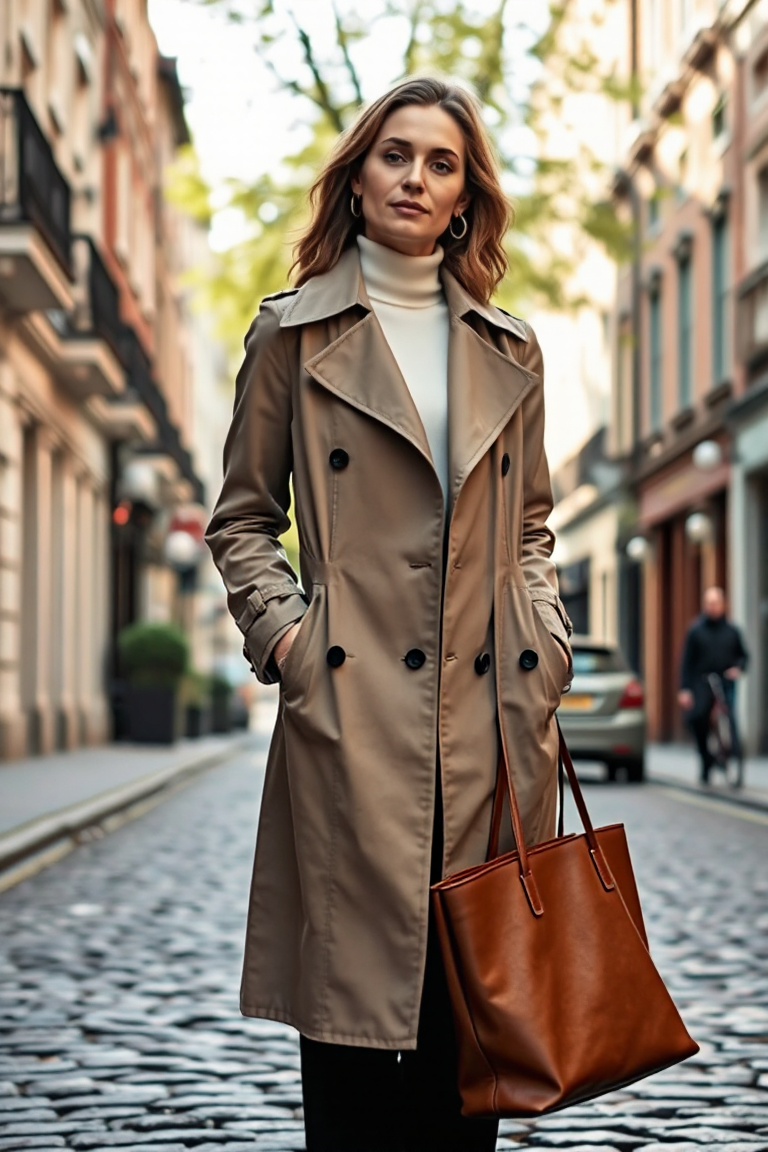
There’s a reason the trench coat has stood the test of time—it’s versatile, timeless, and incredibly flattering. I’ve found that it works equally well in the office, on weekend errands, or even dressed up for a night out. Its classic silhouette allows for a million different styling options, whether you’re layering it over a simple turtleneck or pairing it with a bold dress. It’s also one of the few outerwear pieces that feels both polished and relaxed, depending on how you wear it. In my experience, the right trench coat can transform an otherwise ordinary outfit into something truly special. The key, of course, is getting the fit just right. A poorly fitted coat can look sloppy or oversized, no matter how stylish the fabric or design. That’s why understanding how a trench coat should sit on your body is so crucial. When it fits well, it hugs your shape without restricting movement, and it frames your figure in the most flattering way possible.
Understanding Trench Coat Silhouettes
Not all trench coats are created equal—there are several silhouettes to choose from, and each one will suit different body types and personal styles. I’ve worn everything from slim-fitting, structured styles to relaxed, oversized versions, and I’ve learned that the silhouette makes a huge difference. A straight, knee-length trench coat tends to offer a clean, modern look, while a shorter, cropped version can be more playful and urban. Then there’s the classic long trench, which falls below the knee and exudes elegance and sophistication. I’ve found that the most flattering silhouettes depend on your height and build. For example, if you’re shorter, a knee-length or slightly shorter trench works better than a full-length one, which can overwhelm your frame. On the other hand, if you’re taller, a longer trench can create a stunning, streamlined effect. Understanding these silhouettes helps you narrow down your choices and find one that complements your natural shape.
Measurements Matter: How to Find Your Perfect Fit
One of the most important steps in finding a trench coat that fits well is taking accurate measurements. I used to just go by size, but I quickly learned that sizes vary wildly between brands and styles, so relying on a label is a recipe for disappointment. I now measure my chest, waist, and shoulder width, and then compare these to the brand’s size chart. I also pay attention to the length—how far the coat falls from the shoulder to the hem—and consider how long I want it to be. For instance, if you’re tall, you might want to opt for a longer length, while shorter individuals often prefer a knee-length or mid-thigh style. I’ve also learned to consider the sleeve length, as it should end just above the wrist or at the base of the thumb for a polished look. Taking these measurements seriously means you’re far more likely to find a trench coat that fits exactly as intended, rather than having to rely on costly alterations later.
Try It On: The Importance of a Proper Fit
There’s no substitute for trying a trench coat on in person. I’ve had my fair share of online purchases that looked promising in photos but fit terribly once they arrived. The best way to ensure a good fit is to try it on with the kind of layers you’d wear it with—maybe a thin sweater or a lightweight blouse. When you’re trying it on, check that the coat isn’t too tight across the chest or shoulders, and that it doesn’t restrict your movement. I look for a coat that drapes smoothly without pulling or bunching. The sleeves should end just above the wrist, and the coat should sit naturally at the waist without riding up or gaping. It should also move with you—no stiff, awkward stiffness. If you can’t try it on in person, I recommend buying from a brand with a reliable return policy, so you can exchange it if it doesn’t fit. It’s worth the extra effort to get the right fit.
Assessing the Shoulder Seam
One of the most overlooked but crucial aspects of trench coat fit is the shoulder seam. This is where the coat should sit naturally, right at the edge of your shoulder. If the seam sits too far forward or too far back, it can make the coat look off and unflattering. I’ve noticed that many trench coats have shoulder seams that sit too far back, which can make the coat appear bulky and give the illusion of broader shoulders. To check this, stand in front of a mirror and examine where the seam lands. It should align perfectly with the natural edge of your shoulder. If it’s off, the whole coat will be out of proportion. This is something I’ve had altered before, and it made a world of difference. A properly placed shoulder seam makes the coat look tailored and polished, enhancing your natural silhouette rather than masking it.
Checking the Length for Your Body Type
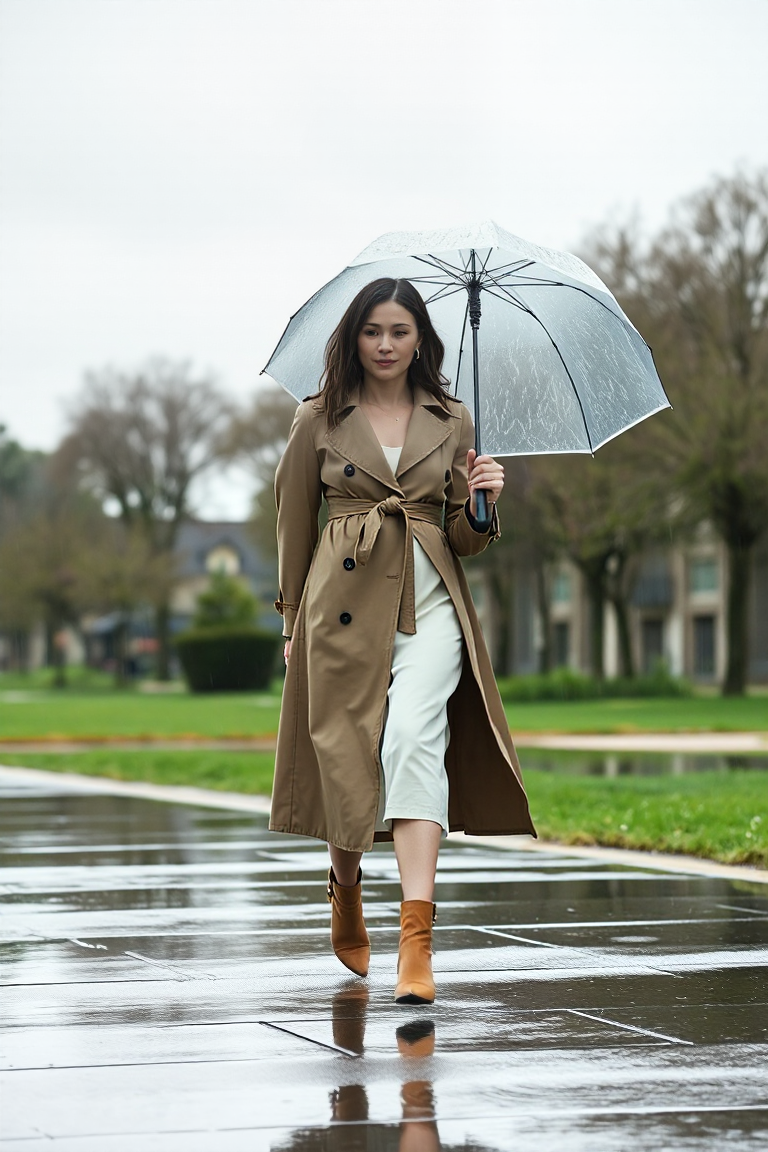
The length of a trench coat is one of the most important factors in achieving a flattering look. I’ve learned that longer coats can make shorter people look smaller, while shorter coats can make taller people appear disproportionate. The ideal length depends on your height and personal style. For most people, a trench coat that ends just above the knee is the most flattering—it’s long enough to be elegant but short enough to avoid overwhelming the frame. If you’re on the shorter side, I’d recommend a coat that hits around the mid-calf or just above the knee, as it helps elongate your legs. For taller individuals, a longer trench that falls below the knee can be stunning, especially when paired with heels. I’ve found that a coat that’s too long can make you look top-heavy, while one that’s too short can make you look top-light. It’s all about balance.
How the Fit Should Feel on Your Body
A well-fitting trench coat should feel comfortable and move with you. I’ve worn trench coats that were too tight across the chest or too loose at the waist, and they just didn’t work. The best trench coat should have a bit of room in the chest and sleeves for layering, but it shouldn’t be so baggy that it looks like you’re wearing a tent. I also like a coat that has a slight taper at the waist—it helps define the silhouette and makes you look more put-together. The back should lie flat without pulling, and the front should close smoothly without gaping. If it feels restrictive or too loose, it’s not right. I’ve found that a coat that fits well allows me to move freely, whether I’m walking down the street or sitting in a café. It’s not just about looking good—it’s about feeling confident and comfortable.
Styling Tips to Enhance the Fit
Even the most well-fitted trench coat can look less than perfect if it’s not styled correctly. I’ve learned that how you wear it can make a big difference in how it looks. One of my favourite tricks is to wear a belt or tie the coat at the waist, even if it’s not a belted style. This helps define the silhouette and creates a more flattering shape. I also like to wear it open with a simple turtleneck and trousers for a clean, modern look. Or, I’ll wear it closed with a midi dress and boots for a more dramatic, polished appearance. The key is to balance the proportions—pairing a longer coat with a shorter dress or a shorter coat with high-waisted trousers helps create harmony. I’ve also found that tucking in a shirt or wearing a fitted top underneath helps avoid bulkiness and keeps the look streamlined.
When to Consider Alterations
Even with careful shopping, you might still need to make minor adjustments to your trench coat. I’ve had several coats that were almost perfect but needed a little tweaking—either to shorten the sleeves, take in the waist, or adjust the shoulder seam. These alterations are often worth the investment, especially if you’ve found a coat that fits well in other areas but needs a touch-up. I’ve had a tailor take in a coat at the waist, which made a huge difference in how it hugged my figure. I’ve also had sleeves shortened so they ended just above my wrist, which looked much more polished. While alterations can be costly, they’re often a small price to pay for a coat that fits perfectly and will last for years. If you’re unsure, I’d recommend taking the coat to a trusted tailor for advice—they’ll be able to assess whether it can be altered or if it’s better to start over.
Choosing the Right Fabric for Your Climate
The fabric of your trench coat plays a major role in its fit and functionality. I’ve worn cotton, wool, and even a lightweight cotton blend, and each one behaves differently. Cotton trench coats are great for milder climates—they’re breathable and comfortable, but they can wrinkle easily and may not hold their shape as well. Wool trench coats, on the other hand, are more structured and durable, making them ideal for colder weather. I’ve found that wool also tends to drape more beautifully, which enhances the overall fit. If you live in a rainy area, I’d recommend a water-resistant fabric with a waxed finish—it’s not only practical but also looks incredibly polished. The weight of the fabric also affects how the coat moves and sits on your body, so choosing the right material is key to finding the perfect fit.
Seasonal Styling: How to Wear a Trench Coat Year-Round
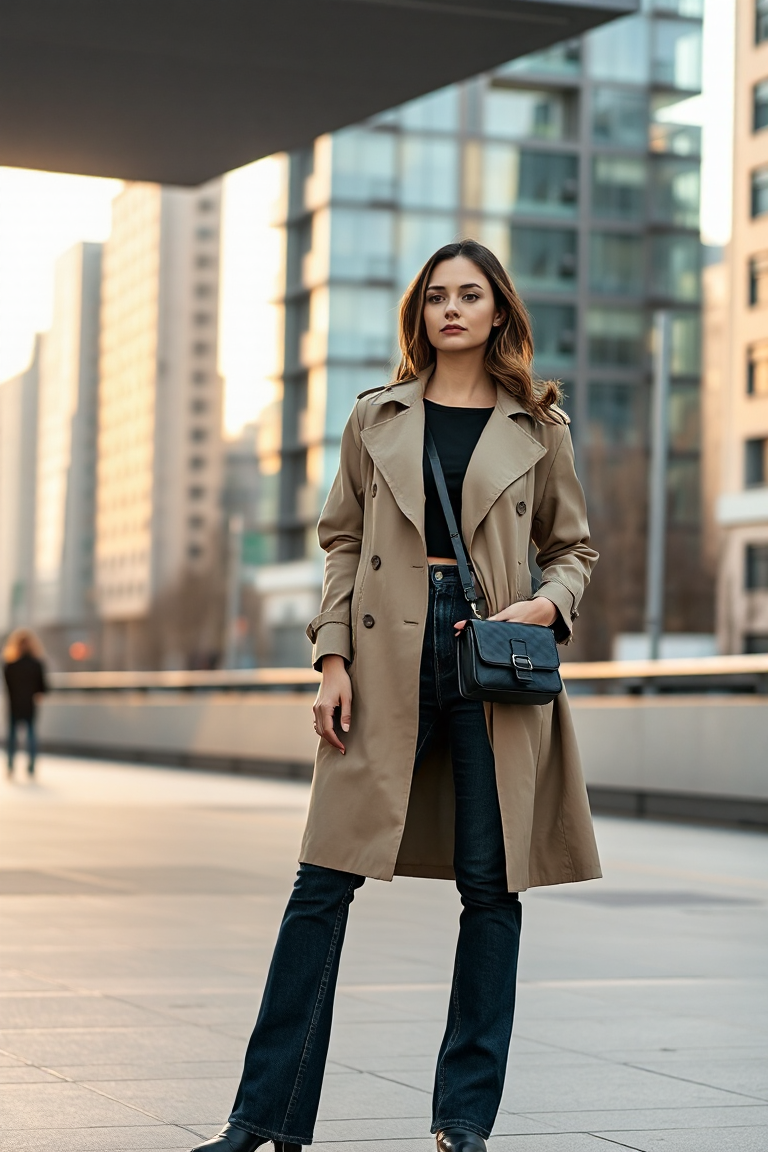
One of the best things about a trench coat is its versatility—it can be worn year-round with the right layering. In spring and autumn, I love wearing mine over a lightweight sweater and jeans, which keeps me warm without overheating. During winter, I layer it over a thick wool coat or a long cardigan, adding extra warmth while keeping the classic trench coat look. In summer, I’ve even worn a lightweight trench over a dress for a breezy, stylish effect. I’ve found that the right accessories—like a scarf, hat, or boots—can help transition the look from season to season. The key is to layer thoughtfully so the coat still sits well and doesn’t look bulky. A well-fitted trench coat can be a year-round staple, not just a seasonal piece.
Frequently Asked Questions
How do I know if a trench coat is too long?
If the coat drags on the ground, it’s too long. It should ideally end at or just below the knee for most people. A coat that’s too long can make you look shorter and less polished.
Can I wear a trench coat over a dress?
Yes, absolutely. A trench coat over a dress is a classic and elegant look. Just make sure the dress isn’t too bulky and that the coat fits well at the waist to avoid a boxy silhouette.
Should a trench coat be tight or loose?
It should be fitted but not restrictive. There should be enough room to move and layer clothes underneath, but it shouldn’t hang loosely or look shapeless.