
As the seasons change, so does the weather, and it can be challenging to know how to dress. One moment it might be warm and sunny, and the next, a cool breeze could send shivers down your spine. This is where transitional dressing comes in, helping you to navigate the weather swings with ease. In this guide, we’ll explore the ins and outs of dressing for transitional weather, ensuring you’re ready to face whatever the skies may bring.
Layering for Warmth and Comfort
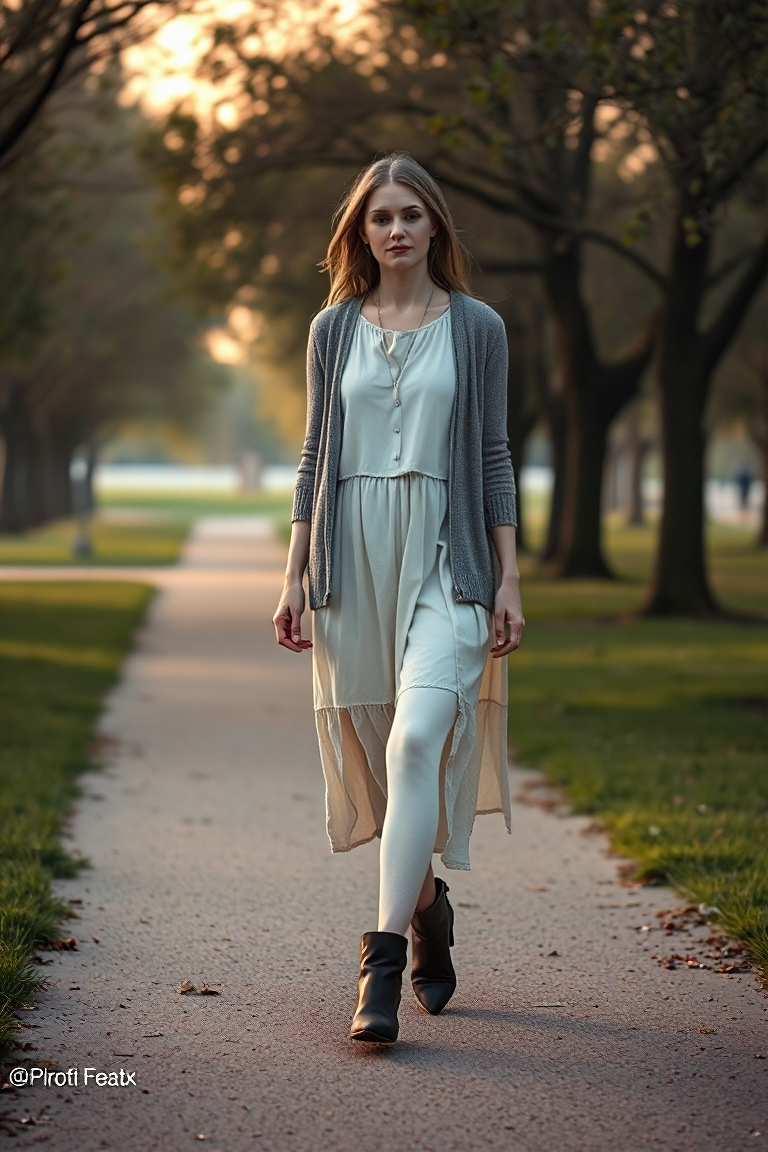
Layering is key when it comes to transitional dressing. Start with a light top such as a cotton blouse or a linen shirt. Over this, you can add a cardigan or a light jacket for cooler evenings. You can always take off a layer if you feel too warm, or add another if you start to shiver. Choose materials that breathe well, like silk or wool, to keep you comfortable through the day.
Invest in Versatile Pieces
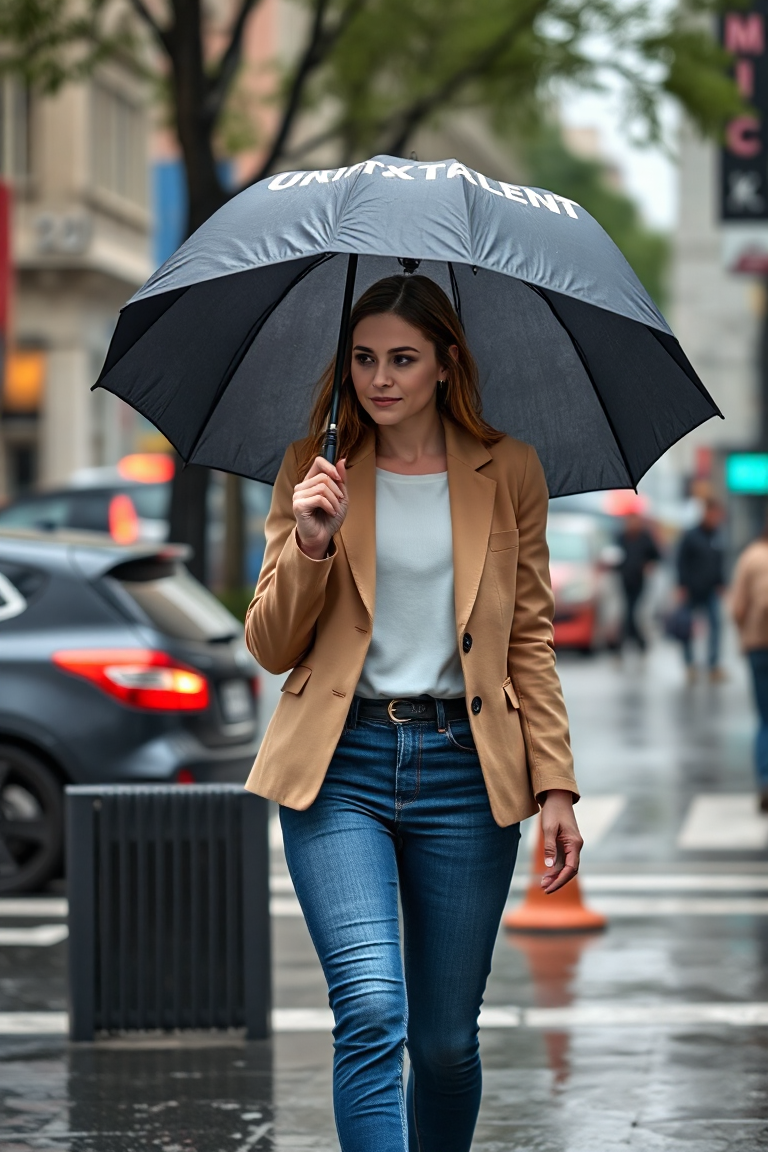
When choosing your wardrobe for transitional weather, look for items that can adapt to different temperatures. A trench coat is an excellent example of a piece that can be worn in various settings, from a casual stroll through the park to a more formal gathering. Similarly, a pair of jeans that can be dressed up or down, coupled with a blazer, allows for flexibility in your outfit choices.
Choose the Right Footwear
Footwear is often overlooked, but it can make or break your transitional outfit. Opt for shoes that are both stylish and practical. For example, a pair of ankle boots with a rubber sole will keep your feet dry if it rains, while also being fashionable enough to wear with dresses. In contrast, a pair of flats or sandals might be too cold for the chillier transitional days.
Accessories for Added Comfort
Accessories are the unsung heroes of transitional dressing. A scarf or a pashmina can provide an instant layer of warmth when the temperature drops. Hats, such as a fedora or a beret, not only add a stylish touch but also protect your head from the elements. Gloves are also a must, as cold hands can be a real downer.
Understanding the Weather Forecast
To truly master transitional dressing, you need to understand the weather forecast. Check the weather report regularly and plan your outfit accordingly. If there’s a chance of rain, bring an umbrella or a raincoat. If the day is expected to be warm, pack a light jacket or a sweater for the evening chill.
Dressing for the Transition from Day to Night
The transition from day to night often brings about changes in the weather. During the day, you might feel comfortable in a light dress, but as the sun sets, the temperature can drop dramatically. To handle this, wear layers that you can adjust throughout the day. A wrap dress paired with a cardigan is a versatile option, allowing you to peel off layers as needed.
Wearing Fabrics that Adapt to the Weather
The type of fabric you choose can make a significant difference in your comfort level. Fabrics like cotton and linen are great for warmer days, while wool and cashmere are perfect for cooler evenings. Look for pieces that blend these materials to create outfits that are adaptable to changing weather conditions.
Planning Your Outfit the Night Before
One of the best ways to stay ahead of the weather swing is to plan your outfit the night before. This allows you to think about the forecast and choose appropriate attire. Lay out your clothes, including any necessary accessories, so you’re ready to go in the morning. This can save you time and ensure you’re dressed appropriately for the day ahead.
Staying Hydrated and Maintaining Skin Health
As the weather fluctuates, it’s important to stay hydrated and maintain healthy skin. Drink plenty of water to keep your body functioning well, especially during warmer transitional days. Use a moisturiser that adapts to changing temperatures to keep your skin supple and healthy.
Getting the Most Out of Your Outerwear
Outerwear is crucial in transitional weather. A good-quality jacket or coat can protect you from the elements while still looking stylish. Look for outerwear that is both practical and fashion-forward. A classic blazer can be worn over a dress or paired with jeans for a chic look that’s ready for anything.
Embracing the Weather Changes
Finally, embrace the changes in weather as an opportunity to experiment with your style. Transitional dressing is about versatility and creativity. Don’t be afraid to mix and match different pieces and styles to find what works best for you. The key is to stay comfortable and confident, no matter what the weather throws at you.
Frequently Asked Questions
What are some good transitional weather outfits?
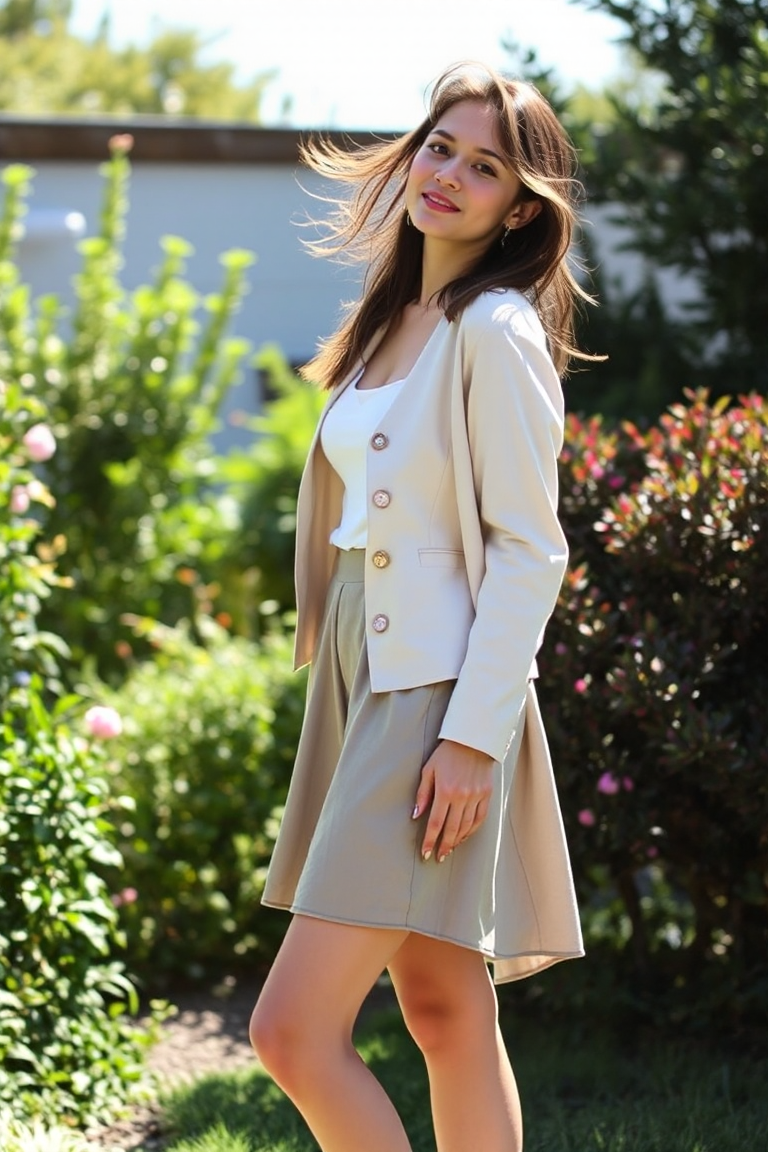
Good transitional weather outfits include a light dress with a cardigan, a pair of jeans with a blazer, or a skirt with a light jacket.
How can I keep warm without looking bulky?
Choose fitted layers, such as a slim-fitting cardigan or a tailored jacket, to keep warm without adding bulk.
What are the best materials for transitional clothing?
The best materials for transitional clothing include cotton, linen, wool, and cashmere, as they are adaptable to changing temperatures.