
I’ve been wearing midi dresses for years now, and I can honestly say they’re one of the most versatile pieces in my wardrobe. Whether it’s a breezy summer sundress or a structured autumn midi in wool, I find that the length hits the sweet spot—flattering, functional, and fashion-forward. The key to making a midi dress truly shine lies in how you style it, not just what you wear. From choosing the right silhouette to pairing it with the perfect accessories, there’s a world of styling possibilities waiting to be unlocked. In this guide, I’ll walk you through everything you need to know to master the art of styling a midi dress, whether you’re new to the trend or just looking to refresh your go-to looks.
Understanding the Midi Dress Silhouette
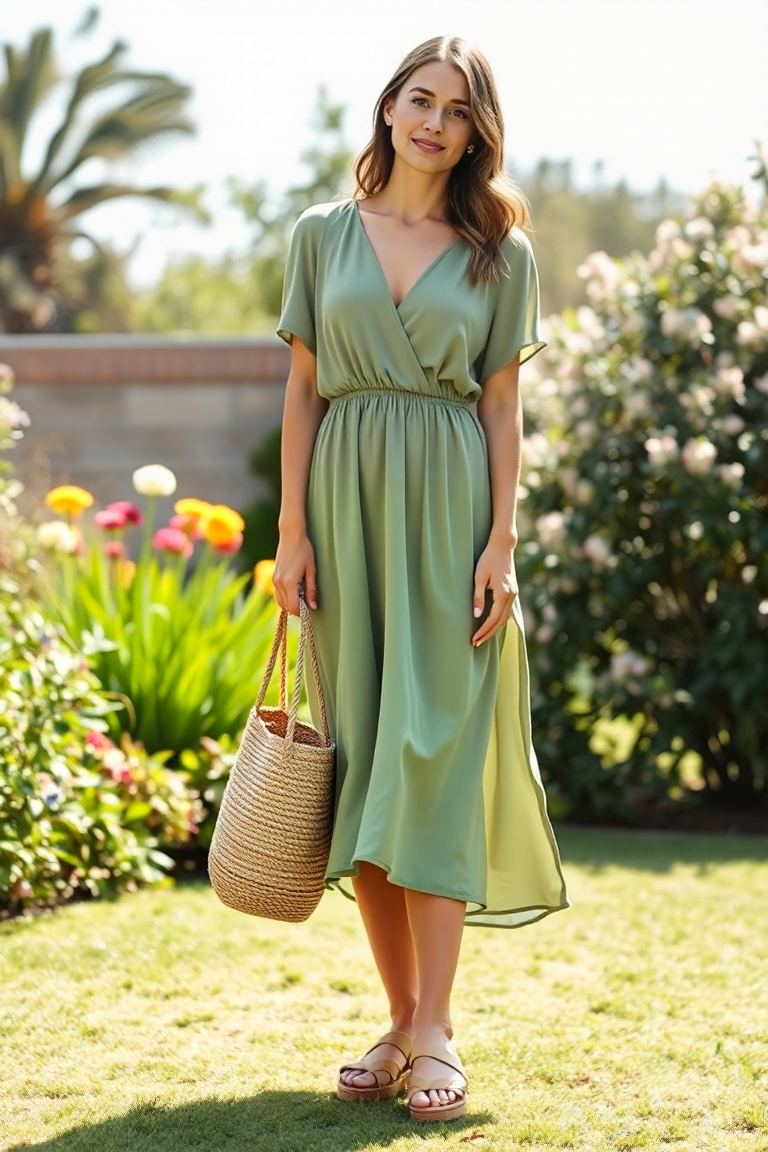
One of the first things I consider when choosing a midi dress is the silhouette—it’s the foundation of any great look. Midi dresses come in a range of styles: straight cuts, A-lines, fit-and-flare, wrap styles, and even bodycon silhouettes. I find that the A-line and fit-and-flare shapes are particularly flattering for most body types, as they skims over the hips while adding gentle volume. If you’re shorter, I’d steer clear of very boxy or overly long styles that might overwhelm your frame. Instead, opt for a dress that hits just below the knee with a slight flare or waist definition. This creates a balanced look and elongates the legs. I’ve learned through trial and error that the right silhouette can make a dress feel like it was made for you, even if it wasn’t. So, take your time to experiment with different shapes until you find what works best with your body’s natural curves.
Choosing the Right Fabric for Your Climate
When it comes to styling a midi dress, fabric is just as important as the cut. I’ve made the mistake of wearing a heavy wool midi in the middle of summer—let’s just say I wasn’t a fan of the heat. The key is to match your fabric to the climate and season. Lightweight cotton or linen are perfect for spring and summer—they breathe well, stay cool, and are incredibly easy to care for. I love a flowy linen midi for a day out at the park or a picnic with friends. In contrast, during the cooler months, I reach for thicker materials like wool, corduroy, or brushed cotton. These fabrics offer warmth without sacrificing style, and they look rich and textural in natural light. I also love a wool blend midi in a deep jewel tone for winter evenings—it’s luxe, cozy, and pairs beautifully with boots. Always check the care label too, as some fabrics require special handling. The right fabric can transform a simple dress into a season-defining outfit.
Accessorising with Confidence
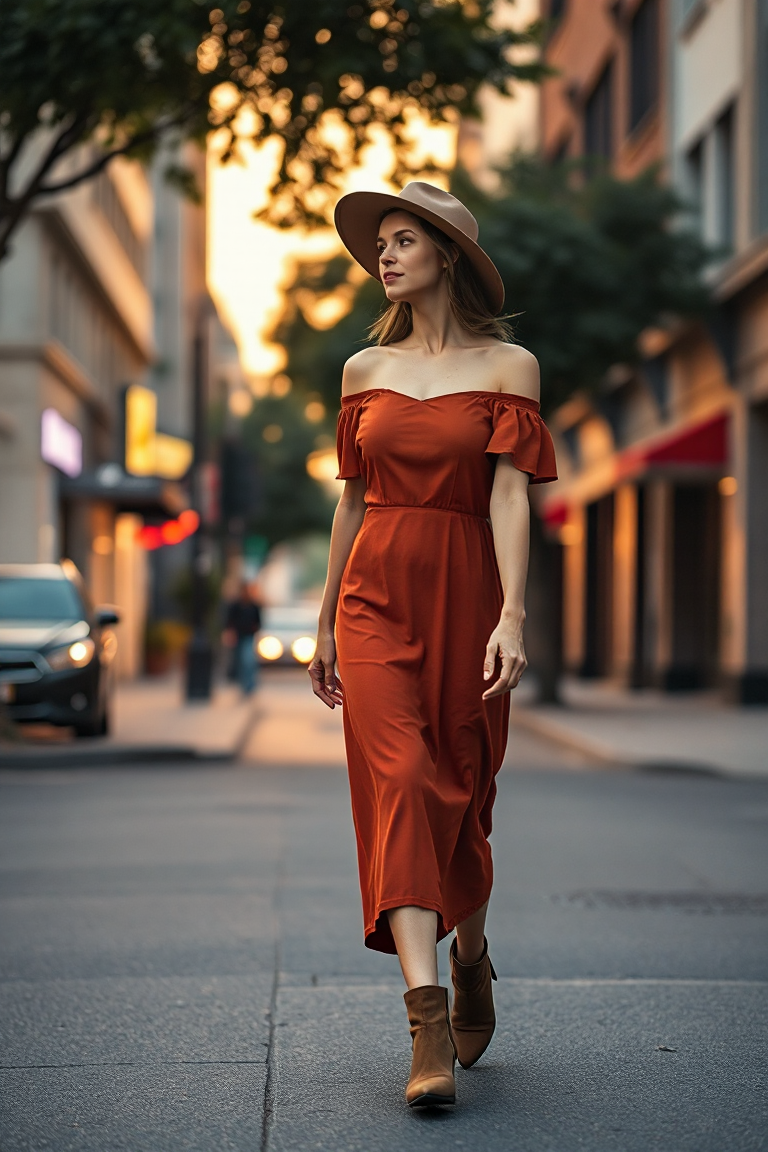
Accessories are where I start to get creative with my midi dress looks. I’ve found that the right pieces can instantly elevate a basic dress and turn it into something special. A statement necklace or layered necklaces work well with a simple, solid-coloured midi dress, especially one with a V-neck or boat neckline. I love adding a chunky bracelet or a delicate gold ring to keep the look polished. For footwear, I’ll often go for a pair of heeled mules or strappy sandals in summer, and ankle boots or Chelsea boots in autumn. One trick I’ve picked up over the years is to match my accessories to the colour palette of the dress—this creates a cohesive look. For example, if I’m wearing a rust-coloured midi dress, I’ll pair it with amber-toned jewellery and a cognac-coloured belt. It’s subtle, but it makes all the difference. Don’t be afraid to mix metals either—gold and silver together can look chic and modern when done right.
Layering for Different Occasions
Layering is one of the most powerful styling tools when it comes to midi dresses. I’ve learned that the key is to keep the layers intentional and balanced—too many layers can overwhelm the silhouette, while too few might leave you underdressed. For a casual daytime look, I’ll throw on a lightweight denim jacket or a tailored blazer. The denim adds a relaxed vibe, while the blazer instantly makes the outfit feel more polished. In colder weather, I love layering a midi dress under a longline coat or a wool cardigan. I often choose a cardigan that’s slightly longer than the dress to create depth and dimension. Another trick I use is to wear a midi dress with a long-sleeved top underneath—this adds warmth and coverage without sacrificing style. For evening events, I’ll drape a sheer or lace overlay over the dress to add a touch of romance and mystery. Layering allows you to adapt your midi dress for any occasion, from brunch to a dinner date.
Pairing Your Midi Dress with the Right Shoes
Shoes can make or break a midi dress outfit, so I always pay close attention to my footwear choices. I’ve discovered that the style of shoe should complement the mood of the dress and the event. For a casual look, I’ll go for flat sandals, espadrilles, or ballet flats—they’re comfortable and keep the vibe relaxed. I love pairing a floral midi dress with woven espadrilles for a springtime stroll. For more formal or dressy occasions, I’ll opt for heels—whether it’s stilettos, block heels, or slingbacks. I’ve found that pointed-toe heels elongate the legs beautifully, especially with a straight or A-line midi dress. When it comes to boots, I’ll pair my midi dress with knee-high or ankle boots in leather or suede, depending on the season. The key is to ensure the shoe height doesn’t overwhelm the length of the dress—ideally, the shoe should be proportional to the outfit. I’ve also learned that a well-chosen shoe can make a simple dress feel like a statement piece.
Adding a Belt to Define Your Waist
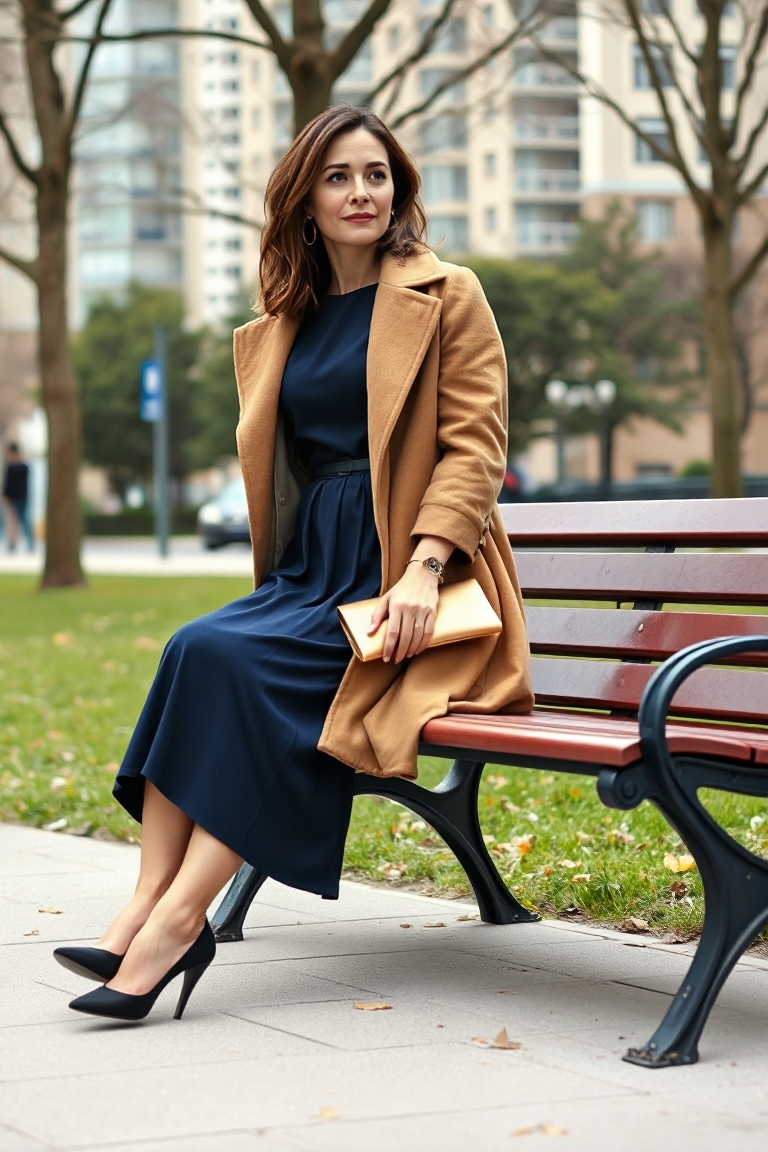
One of my favourite styling tricks is adding a belt to a midi dress—it instantly refines the silhouette and adds a touch of personality. I’ve found that belts work especially well with flowy or straight-cut dresses, where the waist can get lost. A thin leather belt in a neutral shade like black or tan can create a sharp, defined line and give the outfit more structure. I also love using a wide satin or woven belt to add a pop of colour or texture—this can really make a dress stand out. If you’re wearing a wrap-style midi dress, a belt can enhance the natural waistline and create a more flattering shape. I’ve even styled dresses with a cinched belt and a slightly oversized jacket for a retro-inspired look. The belt not only enhances the fit but also adds a personal touch that reflects your style. It’s a small detail that makes a big difference.
Experimenting with Different Necklines
Neckline is a subtle but powerful element when styling a midi dress. I’ve noticed that different necklines can completely change the feel of an outfit. For example, a high neckline like a boat or turtleneck adds elegance and sophistication—perfect for an evening look. I love pairing a high-neck midi dress with a long pendant necklace to draw attention to the face. On the other hand, a deep V-neck or off-the-shoulder style is ideal for creating a feminine, romantic vibe. I find that off-the-shoulder dresses are especially flattering for highlighting the collarbones and shoulders. A square neckline is great for adding a modern edge, while a halter neck brings a vintage feel. I’ve also found that certain necklines work better with specific body shapes—like V-necks elongating the neck and chest area. I always experiment with different necklines to see what makes me feel most confident and stylish.
Choosing the Perfect Colour Palette
Colour plays a major role in how your midi dress looks and feels. I’ve learned that the right colour can make a dress feel timeless, modern, or even whimsical, depending on the shade. Neutral tones like beige, cream, and taupe are incredibly versatile—they pair well with almost any accessory and are easy to mix and match. I love a soft sage green or muted blush midi dress for a spring outfit—they feel fresh and uplifting. For a bolder statement, I’ll choose a jewel tone like emerald, navy, or deep red. These colours are rich and striking, especially in natural light. I also like to play with colour-blocking by pairing a mid-tone dress with a bright accessory, like a yellow scarf or a cobalt blue clutch. When choosing a colour, I consider my skin tone and the season—cooler tones work well in autumn and winter, while warmer shades are perfect for spring and summer. A well-chosen colour can instantly elevate your look.
Styling for Different Body Types
One of the things I’ve come to appreciate about midi dresses is how they can be styled to suit different body types. I’ve seen how a simple dress can look completely different on different people, and it’s all about how you style it. For example, if you have a pear-shaped body, I’d recommend choosing a dress with a fitted waist and a flared skirt—it draws attention to the upper body and balances the lower half. For an hourglass figure, a fitted midi dress with a defined waistline can highlight your curves beautifully. If you’re petite, I’d suggest a dress that hits just above the ankle with a fitted waist and minimal bulk—this helps create the illusion of height. For those with a straight or athletic build, I recommend adding volume with a full skirt or a wrap-style dress to create more shape. The key is to highlight your best features while feeling comfortable and confident.
Creating a Signature Look with a Statement Coat
When the weather turns chilly, I always reach for a statement coat to style my midi dress. I’ve found that a long, tailored coat in a rich fabric like wool or cashmere can completely transform an outfit. I love wearing a camel or black coat over a midi dress—it’s classic, timeless, and looks incredibly polished. For a pop of colour, I’ll go for a rust or forest green coat that adds warmth and depth to the look. I’ve also discovered that a textured coat, like bouclé or tweed, adds visual interest and elevates a simple dress. The length of the coat should ideally hit at or just below the knee to avoid overwhelming the midi dress. I often leave the coat open to show off the dress beneath, which creates a layered, sophisticated look. A good coat can make a midi dress feel like a full ensemble, even in the coldest months.
Accessorising with a Clutch or Handbag
Choosing the right bag can complete your midi dress look and add practicality without compromising style. I’ve found that a small clutch or structured handbag works best for evening or formal events, as it keeps things neat and elegant. I love a metallic clutch in gold or silver—it complements the dress and adds a touch of glamour. For daytime or casual outings, I’ll opt for a woven tote or a crossbody bag in leather or canvas. The key is to choose a bag that’s proportional to the dress—something too large can look disproportionate, while something too small might not feel functional. I’ve also discovered that a bag in a contrasting colour can create visual interest—like a navy handbag with a cream dress, or a burgundy clutch with a black midi dress. I always make sure the bag’s hardware matches my jewellery for a cohesive look.
Frequently Asked Questions
Can I wear a midi dress if I’m short?
Yes, absolutely. Choose a midi dress that hits just above the ankle, and pair it with heels to elongate your legs. Opt for vertical patterns and fitted silhouettes to create the illusion of height.
What’s the best way to style a midi dress for a summer wedding?
Go for a lightweight, flowy midi dress in a soft colour like blush, mint, or ivory. Pair it with delicate sandals, a woven clutch, and simple gold jewellery. A light cardigan or shawl can be perfect for a breezy evening.
How do I prevent my midi dress from looking too long or frumpy?
Focus on a dress with a defined waist, and consider adding a belt. Choose fabrics that drape well and avoid overly bulky materials. Pairing with the right footwear, like heels or boots, also helps lift the silhouette.