
I remember one particularly fickle October morning when I stepped outside in a light cotton blouse, jeans, and my trusty leather jacket—only to be caught in a sudden downpour just five minutes later. I stood drenched and shivering, cursing my lack of planning. That moment taught me a crucial lesson: transitional weather demands smart, adaptable styling. Whether you’re navigating a crisp spring morning or an autumn afternoon with shifting temperatures, knowing how to layer and mix textures can make all the difference. Over the years, I’ve perfected a go-to approach that keeps me looking polished, feeling warm, and never caught off guard. In this guide, I’ll walk you through the essentials of dressing for transitional weather—because who says you can’t be both comfortable and chic when the climate refuses to make up its mind?
Understanding Transitional Weather
Transitional weather refers to those unpredictable days when temperatures swing wildly—from chilly mornings to warm afternoons or sudden rain showers. These conditions are most common in spring and autumn, when the seasons are in flux. As someone who’s lived through many a “I’ll just pop out for milk” moment that turned into a full-on weather drama, I know how easily you can misjudge the day. The key to navigating it? Preparation and flexibility. You can’t rely on one single outfit, because the temperature might change by 15 degrees within a few hours. Understanding the patterns—like how high pressure often brings cooler days while low pressure signals rain—is helpful, but even that won’t save you if you’re not dressed for the change. That’s why I’ve developed a strategy built on layering, breathable fabrics, and pieces that transition seamlessly from morning to evening. By anticipating these shifts, you’ll avoid the embarrassment of being too hot, too cold, or entirely soaked.
Layering is Your Best Friend
When it comes to transitional weather, layering isn’t just a fashion trend—it’s a survival skill. I’ve learned that starting with a base layer made of moisture-wicking fabric keeps you dry and comfortable even if you start sweating. Then, I add a mid-layer, like a lightweight sweater or a long-sleeve shirt, for warmth. The final layer—usually a cardigan, blazer, or jacket—can be easily removed when temperatures rise. This method allows you to adapt to changing conditions without needing to change clothes entirely. For instance, I love wearing a simple cotton tee as a base, then layering with a chunky knit in the morning, and slipping off the knit once I’m indoors. The beauty of layering is that it allows you to control your temperature with minimal effort. Just remember: don’t overdo it. A bulky sweater under a coat might work for a winter walk, but on a transitional day, it’ll leave you feeling like a marshmallow. Aim for balance—each layer should be functional but not restrictive.
Invest in Versatile Outerwear
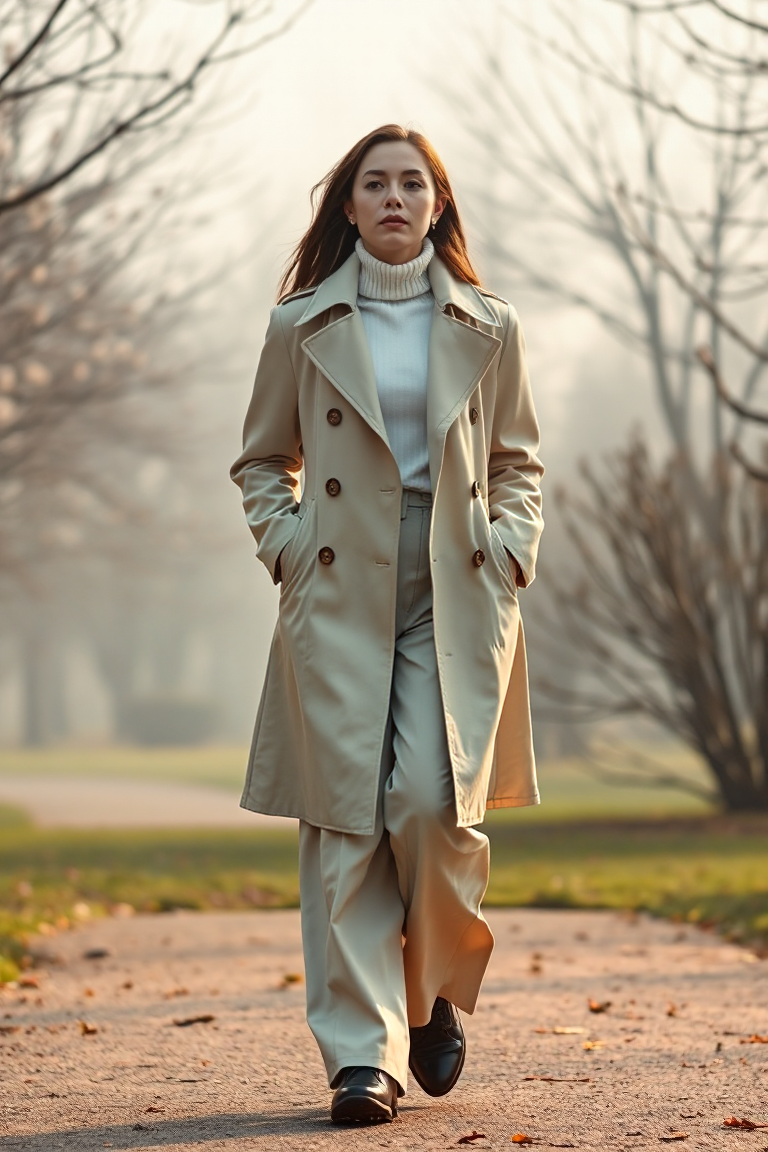
When the weather is uncertain, your outerwear becomes your most important piece. I’ve found that a well-fitted trench coat is the ultimate transitional hero—light enough for mild days but substantial enough to shield you from wind or light rain. A denim jacket is another go-to, especially in spring, because it adds structure without overwhelming your outfit. If you’re in a region prone to sudden downpours, a lightweight, water-resistant jacket with a hood is essential. The trick is choosing outerwear that works with multiple outfits. For example, I wear a tailored wool-blend coat over a dress for work, and then pair it with jeans and a chunky sweater for weekends. It’s not just about protection—it’s about style continuity. Look for pieces in neutral colours like beige, grey, or navy, which can be easily mixed and matched. That way, you’ll get maximum wear out of each piece, saving both space in your wardrobe and money in your budget.
Choose the Right Fabrics
Not all fabrics are created equal when it comes to transitional weather. I’ve learned the hard way that synthetic materials like polyester can trap heat and leave you feeling sweaty, while cotton is breathable but absorbs moisture quickly. That’s why I now look for natural fibres like cotton, linen, and wool—especially merino wool, which offers excellent temperature regulation. These materials wick moisture away from your skin and help you stay comfortable whether you’re indoors or out. For example, I love wearing a linen-blend shirt in the morning because it’s light and allows airflow, but I’ll switch to a cotton jersey top when I know the temperature will drop later. If you’re layering, it’s also smart to use fabrics that complement one another—like pairing a soft cotton sweater with a wool blend skirt for warmth and style. The goal is to avoid clingy or suffocating textures, so focus on lightweight, breathable materials that respond well to changing conditions.
Opt for Neutral and Earthy Tones
Transitional weather often brings muted skies and damp air, so I’ve found that neutral and earthy colours help create a cohesive, calming look. Think soft beige, olive green, taupe, and warm grey—they’re not only beautiful but also incredibly versatile. These shades work well across seasons and pair effortlessly with most other colours. I love wearing a camel cardigan with a cream knit and brown trousers—it creates a layered, harmonious look without screaming “I’m trying too hard.” Plus, they’re forgiving if you’re caught in the rain; dark spots and splashes are much less noticeable than with bright colours. When I’m choosing new pieces, I always ask myself: “Can I wear this with my current wardrobe?” If the answer is yes, it’s likely a keeper. Earthy tones also help reflect natural light on overcast days, making you look more awake and put-together. It’s a subtle but powerful way to elevate your everyday style.
Footwear That Keeps You Comfortable
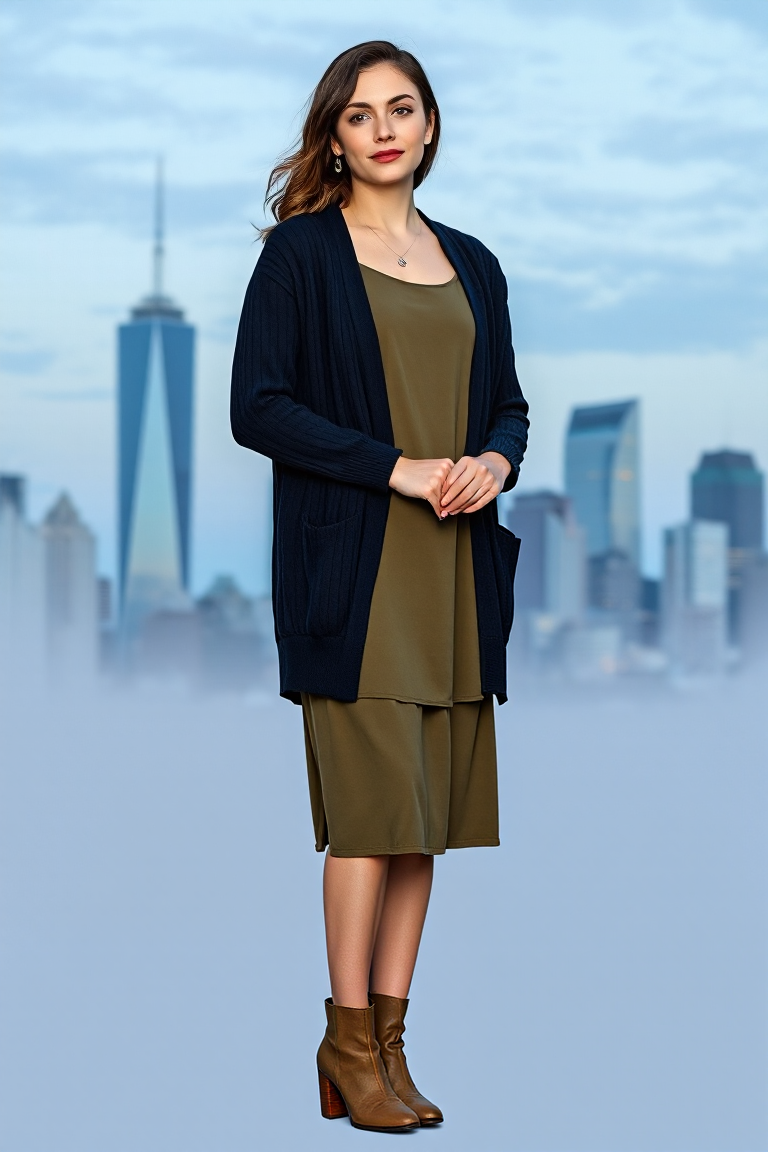
Your feet are often the first to feel the effects of changing weather, so choosing the right footwear is crucial. I’ve learned that waterproof boots with good tread are a must, especially in autumn when puddles are everywhere. But on milder days, I switch to suede ankle boots or leather loafers that offer a smart, polished look without compromising comfort. I always carry a pair of closed-toe shoes in my bag—something lightweight but supportive—because you never know when you’ll step into a rain-soaked sidewalk. For spring, I love lace-up flats with a bit of cushioning; they’re breathable and allow me to walk for hours without discomfort. The key is to avoid anything too slick or heavy. If you’re wearing boots, opt for those with a soft lining and a slight heel for added support. And remember: always break in new shoes before you need them on a rainy day!
Accessories That Add Function and Style
Accessories are the unsung heroes of transitional weather—they add a touch of personality while solving practical problems. I’ve found that a lightweight scarf is a game-changer; it can be worn as a wrap on a chilly morning, then tied around your wrist or shoulder as the sun comes out. A wide-brimmed hat provides shade and protection from light rain, while a sleek crossbody bag keeps your hands free. I also swear by a small, water-resistant tote for days when I need to carry more than my phone and keys. Sunglasses are another must-have—they protect your eyes and instantly elevate any outfit, especially in the bright afternoons that follow a cloudy morning. The trick is to choose accessories that are functional but not bulky. A scarf with a subtle pattern adds interest without overwhelming your look, and a hat with a structured shape adds polish to even the simplest ensemble.
How to Transition from Day to Night
One of the greatest challenges of transitional weather is dressing for both day and evening. I’ve developed a simple trick: start with a base outfit that’s wearable during the day—say, a knit dress with tights—and then add a tailored blazer or a lightweight coat for the evening. This instantly transforms your look from casual to evening-ready. I also love pairing a flowy blouse with high-waisted trousers; it’s elegant enough for dinner but comfortable enough for a day of errands. The key is to pick pieces that can be easily layered or switched out. For example, I’ll wear a long-sleeve shirt in the morning and switch to a cropped sweater in the evening—then add a statement necklace to complete the look. By having a few key pieces that transition smoothly, you can avoid the stress of changing clothes multiple times during the day.
Weather-Appropriate Wardrobe Staples
Every transitional weather wardrobe needs a few reliable staples. I’ve found that a quality trench coat, a lightweight wool sweater, a pair of versatile jeans, and a simple white button-down are essential. These pieces work across seasons and can be dressed up or down depending on the occasion. I also keep a foldable umbrella in my bag—because even the sunniest day can turn into a downpour in minutes. For colder mornings, I layer a thermal top underneath a cardigan, which keeps me warm without adding bulk. And I always have a small, lightweight scarf on hand—it’s perfect for wrapping around your neck or using as a hair accessory. These basics form the foundation of my transitional style, and once you have them, you’ll find that you can mix and match them endlessly. It’s not about having a new outfit every day—it’s about having a few reliable pieces that work every day.
Seasonal Transition Tips for City Living
Living in a city adds another layer of complexity to transitional weather—especially when you’re commuting between buildings with wildly different temperatures. I’ve learned that dressing in layers is even more important in urban environments. I wear a long-sleeve top under a cardigan, then add a coat if needed, so I can shed layers as I move from a cold train station to a heated office. I also carry a small handbag with a change of socks and a portable hand warmer—because my feet can get cold even in mild weather. For city dwellers, footwear with good cushioning is crucial, as you’re likely to be walking long distances. I recommend investing in a pair of walking shoes that are both stylish and supportive. And don’t forget a compact raincoat or a waterproof jacket—because sudden showers are common, especially in cities with tall buildings that create microclimates.

Frequently Asked Questions
How do I know when to layer or go light?
Check the forecast, but also pay attention to how your body feels. If it’s damp and cool in the morning, layer up with a sweater and cardigan. But if the sun is out and you’re feeling warm, skip the outer layer and go for a lightweight blouse or t-shirt. I find that a simple rule works: if you’re unsure, start with a base layer and add a mid-layer—then remove as needed.
What’s the best way to deal with sudden rain?
Always carry a compact umbrella and a lightweight, water-resistant jacket. I also keep a small raincoat in my bag for days when I’m not expecting rain. And if you’re caught in the downpour, avoid cotton—it absorbs water and can make you feel cold. Instead, look for quick-drying fabrics and keep your accessories dry by using a waterproof tote.
Can I wear summer clothes in transitional weather?
Yes, but with caution. Lightweight dresses and short-sleeve tops work well on milder days, but I always pair them with a cardigan or light jacket. A sleeveless dress with tights and boots is a great transitional option—warm enough for the morning but still light enough for the afternoon.